
How to Start in Motorsport: A Practical Route Into Racing
Explore practical first steps into UK motorsport, from choosing a discipline and finding a club to understanding entry costs, licences and safety.

To start in motorsport, choose a discipline that fits your budget and interests, then contact a local club or event organiser about beginner options. Check the licence and safety requirements before booking, and begin with a taster session, marshaling or a track day if you are not ready to compete. Build experience gradually rather than assuming racing is the first step.
Motorsport includes far more than circuit racing. Karting, rallying, autotests, trials and volunteering at events can all offer a way in, with different equipment, training and costs. A local club can explain what newcomers need and point you towards a suitable first event.
The key is to confirm practical details before spending money: what the entry fee includes, what protective kit is required, and whether a competition licence or medical is needed. Rules differ between disciplines and events, so use the organiser and governing body as your source of current requirements.
- Pick a discipline that fits your interests, budget and available time.
- Contact a local club or organiser before booking or buying equipment.
- Check the specific event’s entry, licence and safety rules.
- Start with a beginner session or volunteer role and build experience steadily.
What getting started in motorsport really involves
Start with a realistic first step
Your first motorsport experience does not have to be a race. A track day, arrive-and-drive karting session, club taster or day volunteering at an event can show you what the activity involves before you commit to equipment or a competition entry. Ask whether the session is suitable for complete beginners and what you need to bring.
Think about what you want from the experience: driving, competition, learning car control or being part of an event team. That answer helps narrow the choices and keeps your first commitment manageable. If you are unsure, speak to more than one club and compare the beginner opportunities they actually offer.
Treat the first visit as a chance to learn the routine as well as the driving. Observe how participants sign on, prepare their vehicles, follow marshals’ instructions and leave the venue safely. Ask questions at an appropriate time, and take note of what beginners are expected to do before, during and after a session.
Plan beyond the entry fee
The cost of taking part can extend well beyond an event entry. Depending on the discipline, you may need transport, fuel, protective clothing, vehicle preparation, accommodation or membership fees. Ask for a full list of likely costs before booking, and check whether equipment hire or shared transport is available.
Set a limit for your first outing and leave room for unexpected expenses, such as replacing worn kit or travelling farther than planned. For competition, ask what needs inspecting or preparing before the car is accepted. A clear estimate from an organiser or club is more useful than assuming the advertised entry fee covers everything.
Time is another practical commitment. Events may involve early starts, scrutineering, briefings and waiting between runs, while practice and maintenance can take up additional evenings. Check the schedule and travel arrangements beforehand so you can judge whether the format fits your work, family and other commitments.
- Ask what the entry fee includes.
- Check kit and vehicle requirements.
- Allow for travel and preparation.
Choose a discipline that suits your interests and budget
Compare the ways to take part
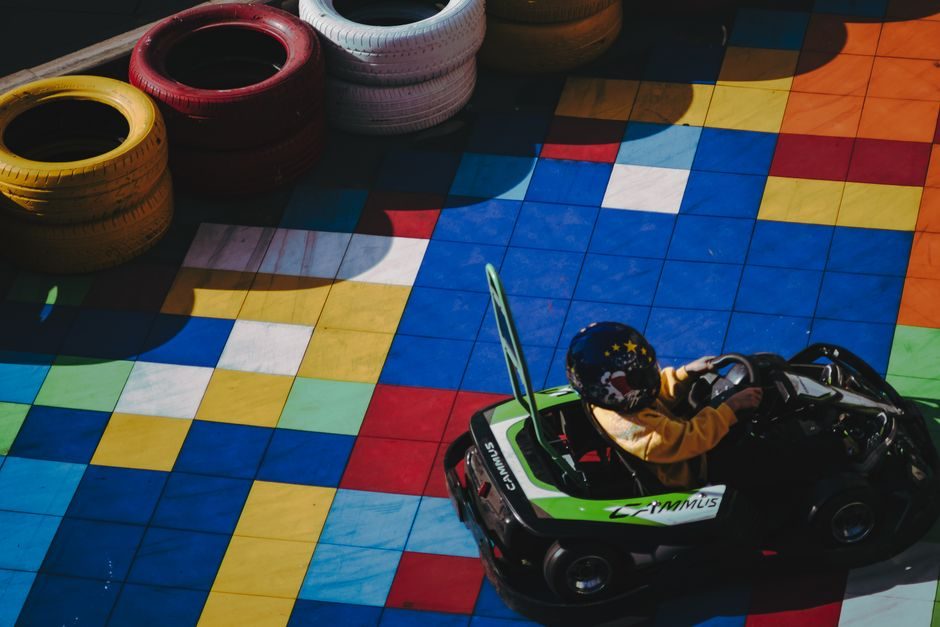
Choose a discipline by matching its demands to the experience you want, not by assuming circuit racing is the default. Karting offers a direct introduction to wheel-to-wheel driving, while autotests and trials can focus on precision and car control at lower speeds. Rallying brings a different mix of navigation, surfaces and event formats.
- Choosing a discipline by reputation alone; try a beginner session first.
- Assuming every event needs a race-prepared car; check the format and rules.
- Buying specialist kit before confirming requirements; ask the organiser what is accepted.
You can also get involved without driving. Marshalling, timing, event administration and helping a club prepare a venue can bring you close to competition while you learn its procedures. These roles suit people who enjoy the sport but want to understand its community before deciding whether to take part behind the wheel.
Compare the practical requirements, not just the excitement of a discipline. Ask whether you need your own vehicle, specialist clothing, a licence or regular practice, and whether events run near you. A local club can explain what beginners commonly bring and whether there is a chance to try the activity before making a larger commitment.
Match the format to your budget
A session in a hire kart or a club taster can let you try driving without owning a competition vehicle. If you already have a suitable road car, some entry-level activities may use it, but never assume a standard car qualifies. Confirm eligibility, safety checks and permitted modifications with the event organiser.
Owning a car gives you more control over preparation, but it also brings maintenance, storage and transport considerations. Before choosing that route, ask competitors what routinely needs attention and whether the club can help you inspect a potential vehicle. A low purchase cost does not necessarily mean a low overall cost.
Compare a few nearby options by asking the same questions about entry, equipment, vehicle needs and how often you can participate. The right fit is the one you can attend consistently and safely, not necessarily the most technically demanding discipline. Keep your first decision reversible until you understand the sport’s routine and ongoing costs.
- Try hire equipment before buying.
- Check whether your vehicle is eligible.
- Compare ongoing costs, not just entry fees.
Find a club, track day or grassroots event
Make contact before attending
Search for clubs and event organisers near you, then contact them before travelling or paying an entry fee. Ask which events welcome newcomers, whether spectators can attend, and who can explain the day’s format. If you are trying to find an event to attend or help promote, press release distribution uk can help organisers share event news with UK outlets.
A club’s calendar can show what is coming up, but confirm that dates, venues and entry conditions remain current with the organiser. Ask whether you need to register in advance, what time to arrive and where spectators or volunteers should report. Clear answers help prevent a wasted journey and make a first visit less daunting.
If an event is full or unsuitable, ask about the next beginner-friendly option rather than forcing a poor fit. Some clubs welcome people who want to marshal or help with administration, while others run introductory sessions. Tell the contact person your experience level and what you hope to do; that makes their recommendations more specific.
| Option | Best for | Check before attending |
|---|---|---|
| Track day | Trying a circuit in your own vehicle | Vehicle rules and required safety kit |
| Club taster | Meeting organisers and learning a format | Booking, schedule and beginner requirements |
| Spectating | Seeing event procedures before taking part | Access rules and viewing areas |
| Volunteering | Learning event operations without driving | Role, briefing and reporting point |
Know what the day involves
Before booking, request the event schedule and a list of what participants should bring. Check arrival time, sign-on arrangements, briefing requirements, clothing rules and whether food or facilities are available at the venue. If driving, confirm how the vehicle will be checked and what happens if it does not meet the event rules.
For a first visit as a spectator or volunteer, ask where you may go and which areas are restricted. Motorsport venues have controlled working zones, and marshals’ directions take priority over getting a closer view. Wear suitable clothing for the weather, follow signs, and never cross a live course or enter a restricted area.
Keep event details and the organiser’s contact information accessible on the day, especially if the venue is unfamiliar. Plan your route and arrival time, and check for any last-minute instructions before setting off. Afterward, ask about the next step while the experience is fresh, whether that means another session, club membership or a different role.
- Confirm arrival and sign-on times.
- Follow venue signs and marshal instructions.
- Check event updates before travelling.
If a competition licence is required, check the application process before entering an event.
Learn the licence and training requirements
Check the rules for your discipline
Ask the event organiser or relevant governing body which licence, if any, applies to the activity you want to try. Requirements can differ between a non-competitive track day, a club competition and a national event, so advice from another discipline may not apply. A club organising coverage can use MediaKit.uk to explore publishing outlets by topic and location.
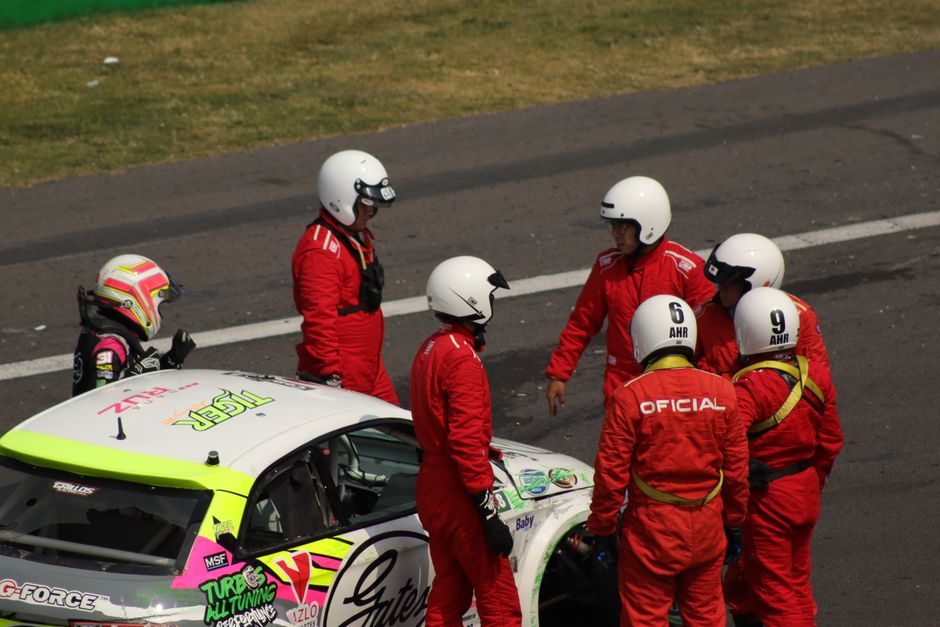
If a competition licence is required, check the application process before entering an event. Confirm whether you must complete training, provide medical information, pass an assessment or submit other documents, and allow time for each step. Use the current official guidance rather than relying on an old forum post or a friend’s experience.
Do not assume that holding a driving licence automatically qualifies you for every motorsport activity. Event rules may set separate conditions for age, vehicle eligibility, safety equipment or driver experience. Read the regulations for the specific event and ask the organiser to clarify anything unclear before you pay or travel.
Build skills and safety habits
Training helps you understand vehicle control, flags, track etiquette and the decisions expected in a competitive setting. Ask whether a recognised course or assessment is required, and whether the club recommends introductory coaching for your chosen discipline. Practice only in an appropriate setting, with an instructor or organiser who can explain the rules.
Safety is shared between the driver, organiser and event team. Use the protective equipment specified for your activity, check it fits and is in good condition, and follow instructions during briefings. For vehicle-based events, confirm required inspections and safety features before arriving; do not rely on improvised repairs or assumptions about what will pass.
Take feedback seriously and progress at a pace that lets you apply it consistently. Learn the signals and procedures before increasing speed or entering a more demanding event. If you are uncertain about a safety instruction, stop and ask the event team; guessing can put you and others at risk.
- Learn event signals and procedures.
- Use correctly fitted required equipment.
- Ask for clarification before taking part.
Plan your first season and its costs
Set a realistic season budget
Build your budget around the full season, not just the entry fee for one event. Include membership, licence costs, travel, fuel, protective equipment, maintenance and any required tuition, then check each figure with the club or organiser. Keeping a written estimate makes it easier to compare disciplines and avoid committing before you know the likely total.
For organisers publicising a series or club event, buy sponsored posts can be one option for reaching people interested in that kind of racing. For your own participation, separate essential costs from optional upgrades and leave room for repairs or replacement equipment. A modest reserve can prevent one unexpected bill from ending your season early.
Start with the costs that are confirmed, then ask what may change with your chosen class and venue. Some events require particular safety equipment or preparation, while travel and consumables depend on how often you compete. Myth: a low entry fee means a low-cost season. Fact: the complete budget also includes getting there, preparing safely and keeping the vehicle fit to run.
Choose a manageable schedule
Choose a schedule you can afford in both money and time before entering several events. A smaller number of well-prepared outings can teach more than a packed calendar that leaves no room to review performance, maintain equipment or recover between meetings. Check event dates against work, study and family commitments before paying deposits.
Ask the organiser when fees are due, what happens if an event is cancelled and whether practice or testing is included. Make a simple calendar of deadlines for entries, licence paperwork, vehicle checks and travel arrangements. That reduces last-minute pressure and helps you spot clashes while there is still time to adjust your plans.
Review your spending and progress after each event rather than waiting until the season ends. Note what you paid, what required repair and which skills need attention before the next outing. If costs or commitments are becoming difficult, shorten the schedule or pause; protecting your finances and safety is more important than keeping up with another competitor.
- List confirmed season dates and entry deadlines.
- Ask what equipment and preparation are mandatory.
- Set aside a reserve for repairs and travel.
- Review costs after every event.
Build experience before buying a race car
Learn through shared machinery
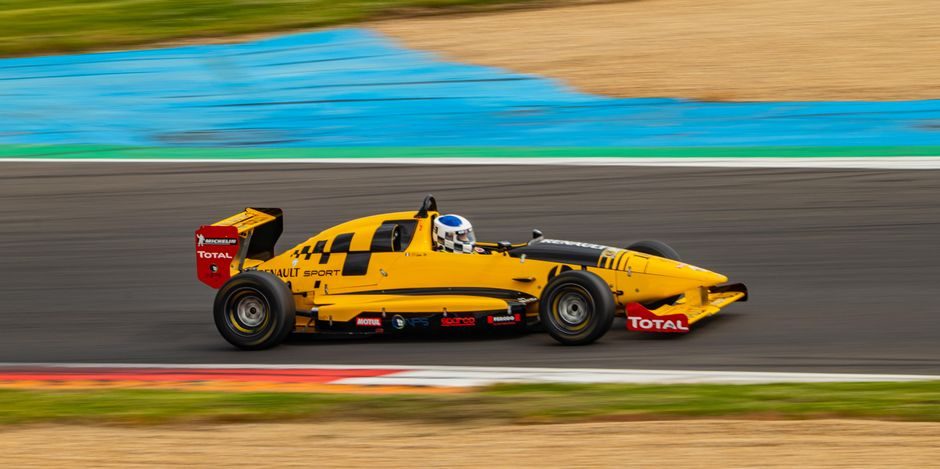
Try a structured arrive-and-drive event, karting session or supervised experience before buying a race car. These formats let you practise steering, braking, racecraft and following instructions without taking on ownership, storage and maintenance straight away. Ask what coaching is included and whether the vehicle and safety equipment are supplied.
- ☐ Book an organised session with clear safety briefings.
- ☐ Ask whether coaching and equipment are included.
- ☐ Learn the venue’s flags and driving rules.
- ☐ Record feedback and one skill to practise.
Clubs coordinating event announcements across outlets may find white label press release distribution useful when working with an agency. For a prospective driver, the more important early investment is time spent learning the rules and seeking feedback from qualified instructors. Follow the organiser’s guidance on flags, track limits and safe conduct before trying to improve pace.
After each session, write down one strength and one specific area to work on, such as smoother braking or better awareness of other vehicles. Ask an instructor to explain what they observed rather than relying only on lap times. Consistent habits and clear communication are useful in every discipline, and they help you judge whether racing suits you.
Volunteer at race meetings
Volunteering at a race meeting shows how an event operates beyond the driver’s seat. Depending on the club’s needs, you may observe marshalling, paddock routines or administrative work, while learning how officials communicate and keep competition safe. Contact the organiser in advance, explain your interest and ask what training or clothing volunteers need.
Watching experienced competitors prepare can teach you how they organise equipment, respond to delays and follow event procedures. Keep your attention on the officials’ instructions and stay within areas open to volunteers; a race meeting is a working environment, not a chance to approach cars or cross restricted ground. Respecting boundaries is part of understanding the sport.
Use what you learn to make a more informed decision about your next step. You may discover that you prefer a particular discipline, or that the practical demands are greater than expected. Volunteering also introduces you to club members who can point you towards approved beginner sessions, but it does not replace formal training or any licence requirement.
- Contact the club before arriving.
- Complete any required volunteer briefing.
- Stay in authorised areas and follow officials.
- Ask about approved beginner opportunities.
Avoid common beginner mistakes
Resist rushing into purchases
Avoid buying a race car until you understand the rules of the class you want to enter. A vehicle that looks suitable may need costly changes to meet technical or safety regulations, and its history may be unclear. Read the current regulations, speak to the club and arrange an informed inspection before making a commitment.
A club seeking editorial coverage of an event can look into a guest posting service, while checking that any placement is clearly disclosed. For a new competitor, the essential safeguard is independent advice about the car, its paperwork and its eligibility. Do not treat a seller’s assurance as confirmation that a vehicle can enter your chosen series.
Compare the likely cost of ownership with the cost of continuing to use shared or hired machinery. Ask about storage, transport, routine maintenance and who can help when something needs repair. If you cannot answer those questions yet, gather experience first; delaying a purchase can be a practical decision, not a lack of commitment.
Treat safety as non-negotiable
Do not skip safety checks because an event is informal or your vehicle has run without problems before. Use the organiser’s technical requirements, inspect equipment as instructed and raise concerns before going on track. If something is damaged, ill-fitting or uncertain, ask a qualified person rather than deciding that it will probably be fine.
New drivers can also create risk by trying to match faster competitors too soon. Leave space, obey flags, maintain awareness and build speed only as your control and judgement improve. An instructor or official can help identify unsafe habits, while a calm, predictable approach makes it easier for other drivers to respond around you.
Read event documents before arrival and ask questions when a rule or procedure is unclear. Check whether your licence, protective equipment and vehicle meet the specific requirements for that meeting, since rules can differ between disciplines and organisers. If you feel unwell, distracted or unsure, tell an official and do not let pressure persuade you to continue.
- Check the event’s current safety requirements.
- Raise damage or equipment concerns promptly.
- Follow flags and leave safe space.
- Ask officials when instructions are unclear.
Make the most of your first events
Prepare before arrival
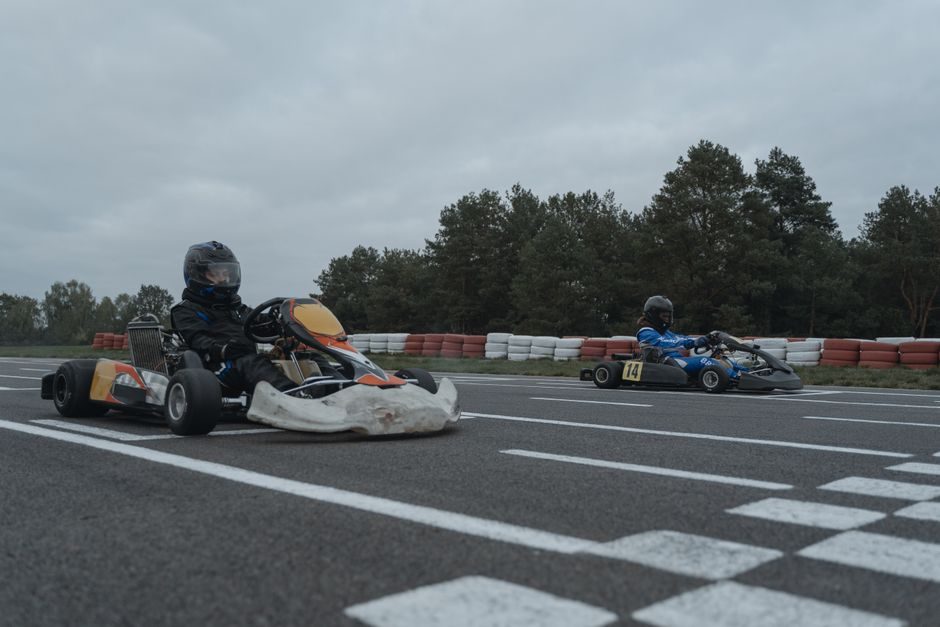
Read the final instructions carefully and prepare your documents, equipment and travel plan before event day. Confirm the arrival time, registration location, vehicle checks and any limits on what you may bring into the paddock. A small checklist helps prevent avoidable problems such as missing paperwork or arriving after a required briefing.
- Read the event instructions and confirm timings.
- Pack documents and required safety equipment.
- Arrive early and complete registration checks.
- Attend the briefing before taking part.
Organisers who need to find a marketing or communications supplier can consult a seo agency directory. For competitors, the useful preparation is practical: know where to report, what to wear and who to contact if you are delayed. Keep essential documents together and allow time for registration, scrutineering and the safety briefing.
Arrive with enough time to listen and ask questions without rushing. Introduce yourself to the relevant official or instructor, and make sure you understand the schedule before moving equipment or entering restricted areas. If plans change, follow the organiser’s directions; procedures may be updated to respond to weather, track conditions or the running order.
Review each session constructively
After each session, take a few minutes to record what happened while the details are fresh. Note conditions, any instruction you received and one moment that felt controlled or difficult. This gives you a more useful basis for improvement than judging the day only by position or comparing your pace with experienced drivers.
Ask for specific feedback from an instructor, official or trusted club member, then choose one skill to practise next time. Trying to fix everything at once can make driving less consistent, especially when you are still learning the circuit and event routines. A single clear focus, such as looking further ahead, is easier to apply and assess.
Finish the day by checking equipment and vehicle condition, following any required post-session procedures and confirming what happens next. Thank the people who helped you and note any follow-up tasks, such as arranging a repair or booking another coached session. This steady review turns a first outing into useful experience, even if the results were not what you hoped.
- Record conditions and feedback promptly.
- Choose one skill for the next session.
- Check equipment and vehicle condition.
- Note repairs or follow-up tasks.
Frequently asked questions
Can I try motorsport without owning a car?Yes. Many beginners start with an organised karting session, arrive-and-drive event or supervised experience where the vehicle is provided. Ask the organiser what equipment, instruction and fees are included, and check the event’s safety rules before booking. This lets you test your interest and build basic skills before taking on the costs of buying and maintaining a car.
Do I need a competition licence before my first event?It depends on the discipline and the type of event. Some introductory activities do not require the same licence as a formal race meeting, while competition usually has specific eligibility, training or paperwork requirements. Confirm the current rules with the relevant club or organiser before entering, and allow time to complete any required course or application.
What should I bring to a first motorsport event?Follow the organiser’s instructions, since requirements vary by discipline and venue. You may need identification, licence documents, suitable clothing and approved safety equipment, while some arrive-and-drive events provide equipment. Bring water, food and any personal essentials you need for a full day, and arrive early enough to register and attend the safety briefing.
How can I tell whether a used race car is eligible?Check the current technical regulations for the class and ask the club or championship organiser to confirm the car’s eligibility. Request its paperwork and service history, then arrange an independent inspection by someone familiar with that type of vehicle. Confirm any required modifications and likely repair needs before agreeing to buy; appearance or a seller’s description is not proof of compliance.
Take your first step with a plan
Getting started is less about finding a shortcut into racing than making a sound first choice. Pick a discipline that fits your interests, check the club’s rules and costs, and gain experience through supervised sessions or volunteering before buying equipment. A realistic schedule, careful preparation and attention to safety help turn curiosity into a sustainable way to take part.
Choose one nearby club or organiser and contact them about an introductory event, the required licence or training, and the full list of costs. Write down the answers and compare them with your available time and budget before committing. That simple check gives you a practical next step, while leaving room to change direction as you learn more about the sport.
Add Sports Post as a preferred source on Google


