
Rugby Match Length Explained: Halves, Breaks and Extra Time
A rugby union match lasts 80 minutes, split into two halves. Find out how half-time works, why play stops and when knockout games need extra time.

A standard rugby union match lasts 80 minutes: two 40-minute halves with a half-time interval in between. The clock can be stopped for significant delays, and the referee may add time at the end of a half so the teams can play the full period. Extra time is not part of every match; competition rules decide whether it applies when a knockout game is level.
The 80 minutes are playing time, not a promise that a match will finish exactly 80 minutes after kick-off. Injuries, substitutions and other interruptions can extend the time before the final whistle, so supporters should allow for a later finish.
Below is a guide to the standard match, the break between halves, stoppages and practical ways clubs can share clear matchday details. The exact arrangements for extra time depend on the competition.
- A standard senior rugby union match has two 40-minute halves.
- The half-time interval is set by the organiser and is no longer than 15 minutes under the standard laws.
- Stoppages can extend play beyond the scheduled 80 minutes, and the referee decides when each period ends.
- Extra time depends on the competition rules, particularly when a knockout match is level.
The standard length of a rugby union match
The eighty-minute playing period
A senior rugby union match is scheduled for 80 minutes of playing time, divided into two 40-minute halves. The referee keeps time and signals the end of each period, while the clock shown on a stadium screen or broadcast is a guide. Delays can mean the final whistle comes later than the scheduled mark.
The 80-minute format applies to the standard adult game, but not every rugby match uses it. Age-group rugby and some shortened formats can have different playing periods, so check the competition’s rules rather than assuming every fixture follows senior union timing.
For a supporter planning a journey, treat the scheduled duration as the core match time, not the full visit. The half-time interval and any stoppage time come on top, and a post-match presentation or crowd exit can add further time before leaving the venue.
Scheduled time and final whistle
The end of a 40-minute half does not always mean play stops at that exact instant. If the ball remains in play, the referee generally allows the passage of play to finish under the laws, so a half or match can continue beyond the clock’s scheduled endpoint.
That distinction explains why a match can appear to run long even when there has been no lengthy injury stoppage. A phase may continue through tackles, rucks or a kick, and the referee decides when play has ended in accordance with the laws.
A stadium clock reaching zero is therefore not, by itself, a reliable cue to leave your seat. Watch for the referee’s whistle, which ends the period, and remember that the second half may run beyond its nominal 40 minutes.
How the halves and half-time break work
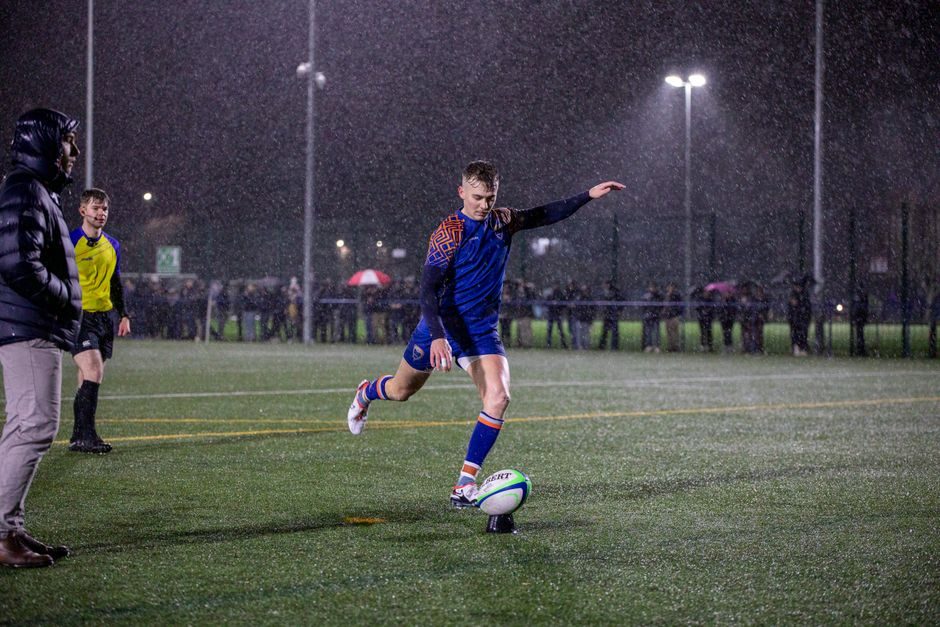
The interval between halves
The two halves are separated by a half-time interval, giving players time to recover and coaches an opportunity to speak with their teams. The permitted interval is set by the competition organiser and must not exceed 15 minutes under the standard laws of rugby union.
The length of the break can affect the overall time supporters spend at the ground, but it is separate from the 80 minutes of playing time. Match organisers or broadcasters may publish an expected schedule, while the referee can adjust the interval where the laws allow.
Use the stated kick-off time and the competition’s published arrangements when estimating the return to play. If you step away during half-time, listen for stadium announcements, since the restart follows the interval and does not depend on when an individual supporter returns.
Restarts after the break
The second half begins with a kick-off, so the teams return to the field before play resumes. Players change ends at half-time, and the side that did not kick off at the start of the match takes the second-half kick-off, subject to the laws and match arrangements.
The half-time whistle marks the end of the first period, not the start of the second. Teams may need time to leave the field and return, while the match officials ensure the restart happens correctly; those practical moments are part of the interval, not extra playing time.
For spectators, the restart is a more useful timing cue than an assumed fixed break. Follow the ground’s announcements and be back in your seat before play resumes, especially if you are watching from a stand with busy entrances or concessions.
Planning a club’s matchday information for supporters
Make fixture details easy to find
Clubs should put the kick-off time, venue address and entry guidance together wherever supporters check fixture details. A clear matchday page helps visitors plan their arrival, while accurate maps and travel notes can prevent confusion between a club’s home ground and a nearby training site.
- Publish the kick-off time beside the venue address.
- Give supporters one clearly identified source for changes.
- Check that listings match the club’s current fixture information.
Local Seo Services can help clubs keep venue listings and location pages consistent, making it easier for supporters to find reliable matchday details. Treat the information as a practical service: update it when a fixture moves, access changes or the published kick-off time is revised.
Choose one authoritative place for updates and make its key details easy to scan on a phone. If a listing elsewhere cannot be updated quickly, direct supporters to the club’s current matchday information rather than letting old details compete with the latest announcement.
| Option | Best for | Keep current |
|---|---|---|
| Club matchday page | Full fixture and venue guidance | Kick-off, access and changes |
| Venue listing | Finding the ground | Address and entry details |
| Fixture announcement | Quick match updates | Date, opponent and kick-off |
Set realistic timing expectations
Give supporters a finish-time estimate that allows for the half-time break and possible stoppages, rather than presenting 80 minutes as the full event duration. Explain that the referee controls the end of each half, so the final whistle may come later than a simple calculation suggests.
Separate confirmed timings from estimates in matchday notices. For example, a club can state the scheduled kick-off and explain that the finish depends on stoppages, then provide distinct times for gates opening or any organised post-match activity.
When a fixture is part of a knockout competition, tell supporters where to find the competition’s rules on a tied match. Do not promise a particular finish time unless the format is confirmed, since extra time or another deciding procedure may affect the schedule.
The referee can stop the match clock when a significant delay interrupts play, including an injury that needs attention or a consultation with another official.
What happens when the referee stops play

Why the clock may pause
The referee can stop the match clock when a significant delay interrupts play, including an injury that needs attention or a consultation with another official. These pauses help ensure the match is managed safely and fairly, rather than allowing lost playing time to disappear from the scheduled period.
- ☐ Distinguish playing time from the overall event duration.
- ☐ Expect significant delays to affect the end of a period.
- ☐ Follow the referee’s whistle rather than the screen alone.
- ☐ Check competition rules for tied knockout matches.
Not every whistle means the clock has stopped. Many routine stoppages, such as a penalty or a line-out, happen within normal match time, while the referee decides whether a delay is substantial enough to pause time or account for it at the end.
Supporters watching a broadcast may see a clock stop, restart or display added time, depending on the competition and how the broadcaster presents it. The referee remains responsible for timekeeping, so a screen is helpful context but not the final authority on when play ends.
Lost time and the period’s end
When time is lost to a stoppage, the referee can allow for it before ending the half or match. This is why play may continue after the clock reaches 40 or 80 minutes, particularly when an injury or another delay has interrupted the scheduled playing period.
There is no single fixed amount of added time that applies to every match. The allowance depends on what happened in that period and the referee’s timekeeping, so supporters should avoid treating a displayed countdown or an informal estimate as a guaranteed final-whistle time.
Once the referee ends the match, the result is final under the ordinary playing conditions, even if the clock display differs from a supporter’s calculation. In knockout rugby, however, a level score may lead to extra time or another procedure if the competition rules require a winner.
Keeping fixture and kick-off details easy to find
Put Key Details Together
Show the date, kick-off time, venue and competition together wherever supporters first look for a fixture. If the information is split across several pages, people may miss an update or mistake a previous kick-off time for the current one. A clear fixture entry gives fans the essentials before they plan their journey.
Include the time zone when publishing a match that may attract viewers outside the UK, and make the venue name specific enough to distinguish it from another ground. If a match is postponed, mark the old date as changed rather than leaving it to compete with the replacement. That simple distinction can prevent avoidable confusion.
For rugby organisations managing fixture pages and wider supporter information, Seo Services can help make useful content easier to discover. The match listing itself should still answer the immediate questions clearly, including whether the fixture is home or away. Put any ticketing or access details nearby, but keep the scheduled start time easy to spot.
Make Updates Easy to Spot
When kick-off moves, state the revised time plainly and identify what changed. A brief note such as “kick-off moved to the later time” is more useful than an unexplained new listing, especially for supporters who saved or shared the original fixture. Remove outdated details from prominent pages so they do not mislead late-arriving readers.
Use the same fixture details across the club’s website, social channels and any matchday notices. If one channel cannot be updated immediately, point supporters to the page that carries the latest confirmed information. This is particularly helpful when weather, travel disruption or competition scheduling forces a change close to match day.
Include the date alongside any kick-off time repeated in an update, rather than relying on readers to connect it with an earlier post. If a fixture is rescheduled, distinguish the new date from the original one. Clear wording helps supporters judge whether they need to change travel plans or simply arrive at a different time.
How extra time works in different competitions
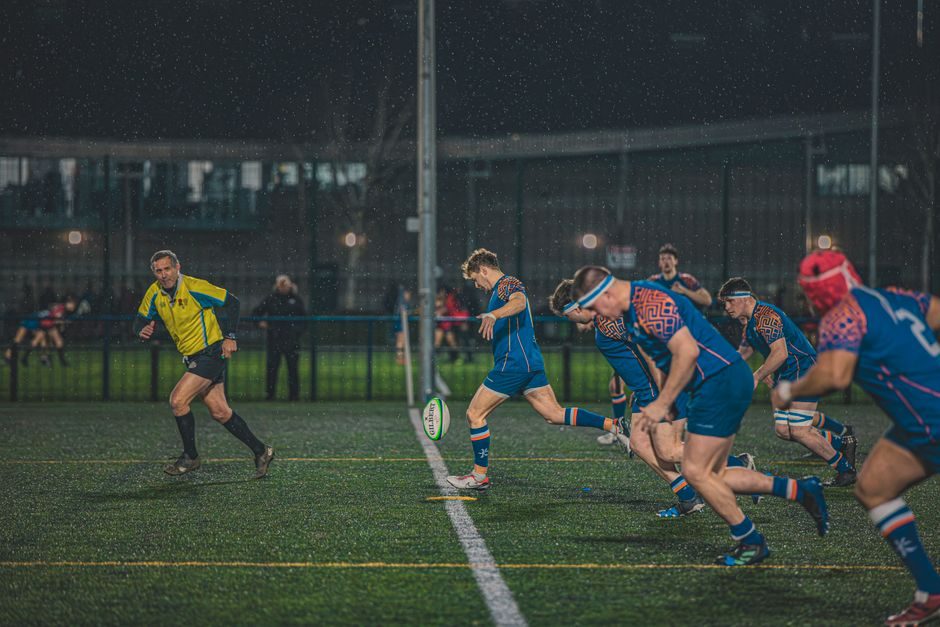
Check the Competition Rules
Extra time is not automatic whenever a rugby match is level at the end of normal time. Whether it is played depends on the competition’s rules and the match situation, so check the regulations for that fixture rather than assuming every tied game continues. League matches and knockout ties can have different requirements.
In a knockout competition, extra time may be used when a winner must be decided, but the permitted format is set by the organiser. The rules can specify the length of the additional period, what happens if the score remains level and whether another deciding method applies. Those details matter more than a general expectation about rugby.
Supporters can usually find the relevant rule in competition regulations or official match information. Look for wording about a draw, a tied aggregate score, extra time or a deciding procedure. If the published rules do not explain the scenario clearly, rely on the competition organiser’s confirmed guidance rather than messages circulating without context.
Allow for a Later Finish
If a competition permits extra time, supporters should avoid treating the scheduled end of normal time as a guaranteed finish. The additional playing period comes after the regulation match and may itself include stoppages. A tied score at the final whistle can therefore mean more rugby before the result is settled.
The exact finish depends on the competition format and what happens during play. A match may end after the extra-time period if a winner emerges, while rules may prescribe another outcome if it remains level. Do not assume the format used in one tournament applies to a different cup or age-grade competition.
When arranging travel, leave room for the possibility of an extended match if the tie can go to extra time. Supporters watching from home should check whether broadcast schedules account for that possibility, too. The safest estimate is the published fixture time plus normal match duration, with extra time treated as a competition-specific possibility.
Where supporters can check match information online
Use Official Match Sources
Check the club or competition’s official fixture page first when confirming a kick-off time, venue or change of schedule. These sources are best placed to publish confirmed details, while an old search result or shared screenshot may still show an earlier version. Recheck close to match day if plans depend on the information.
- Open the club’s official fixture page.
- Confirm the team, competition and match date.
- Check the kick-off time and venue.
- Look for a newer postponement or schedule update.
A Leicester-based rugby club seeking to improve how local fans find its match information could explore Leicester Seo Services. For supporters, the practical priority remains a current, clearly labelled fixture page with the date, venue and kick-off time in one place. Any online guidance should direct fans to details the club can keep accurate.
Official channels can also clarify whether a fixture is subject to a late change or whether a competition has a specific format. If two sources disagree, look for a recent update from the club or governing body instead of relying on the first result displayed. Check that the information refers to the correct team and competition.
Verify Shared Fixture Details
Treat a screenshot or forwarded message as a pointer, not final confirmation. It may have been captured before a change, or it may omit the season, venue or team involved. Open the linked official fixture listing and compare its latest details before travelling or arranging to watch.
When searching online, include the club or competition name with the opponent and match date. This helps distinguish the fixture from a previous meeting or another team with a similar name. If the result shows no publication date, use the official page’s current listing to check that the information remains valid.
For live match updates, distinguish the scheduled kick-off from the time play actually begins if a delay is announced. A match report or score feed can help confirm that the game is underway, but it is not a substitute for checking a revised fixture notice. Use the source that is closest to the organiser for schedule changes.
What to remember when estimating a match’s finish
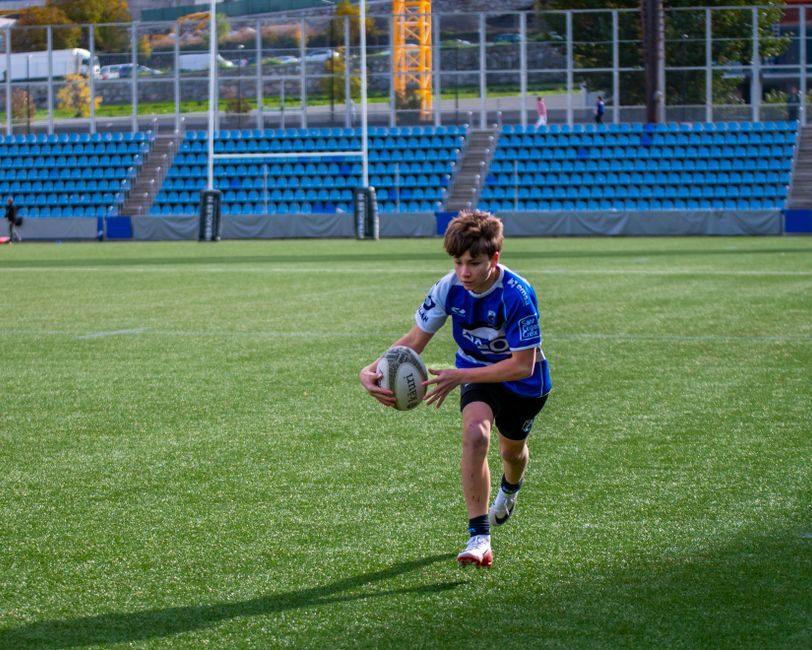
Estimate Beyond Playing Time
Use the match’s scheduled playing time as a starting point, not a guaranteed finish time. The interval between halves and delays during play mean the clock time from kick-off to the final whistle is longer than the playing time alone. Allow extra room if you have a journey or appointment immediately afterwards.
- Planning for the final whistle at exactly the scheduled playing-time mark; allow for the interval and pauses.
- Assuming every tied match has extra time; check the competition rules.
- Confusing broadcast coverage with match duration; separate programme time from playing time.
A typical match can also run beyond a quick estimate because the referee may stop the clock for particular incidents, and competition rules may allow extra time. Those factors do not make every match substantially longer, but they make an exact finish difficult to promise. A buffer is more useful than planning around a precise minute.
If you are attending in person, check travel options that remain available after the likely finish, especially when a knockout match could require extra time. For a broadcast, remember that pre-match coverage and analysis after the final whistle add to the programme length, not the match itself. Keep those different timings separate when making plans.
Plan for Matchday Uncertainty
Build flexibility into plans that depend on the final whistle, because the match can include stoppages and its finish is not fixed to a precise wall-clock time. If you need to meet someone or catch transport, agree on a practical fallback rather than relying on a single estimated departure minute.
For a match with no extra-time provision, the end of normal time still does not guarantee an immediate finish at the scheduled duration. Referee-managed pauses and the half-time interval affect elapsed time, and the actual flow of play can vary. Check live updates if you need to judge how much longer the game may continue.
The clearest estimate combines the fixture’s kick-off time, the standard playing format and any extra-time rule that applies. Treat the result as a range rather than a promise, then revise your plan if the match is delayed or tied late in a knockout tie. That approach works better for both stadium visits and home viewing.
Frequently asked questions
Does the referee stop the clock for every injury?No. The referee manages time according to the circumstances and the laws of the game; not every injury means the clock is stopped. A serious injury or an incident requiring attention can affect the match’s elapsed time, but the exact response depends on what is happening. That is one reason the final whistle may not arrive at a predictable wall-clock time.
Is the half-time interval included in match playing time?No. The interval separates the two halves and is not part of the scheduled playing time. It does, however, add to the time supporters spend at the ground or watching a broadcast from kick-off to the final whistle. For travel planning, allow for the break as well as the rugby itself and any delays during play.
Can a rugby match end in a draw?Yes, a match can finish level if the competition rules allow a drawn result. Some knockout formats require a winner and may provide for extra time or another deciding procedure, while other fixtures can end tied. Check the regulations for the specific competition; do not assume that a draw always leads to additional play.
Does extra time have the same format in every rugby competition?No. Competition organisers set the rules for when extra time applies, how it is played and what happens if the score remains level. The format can differ between tournaments, so a supporter should check the relevant regulations rather than transfer assumptions from another competition. The fixture information or organiser’s rules are the most reliable guide.
A practical way to judge the final whistle
A rugby match’s scheduled playing time gives you a useful baseline, but it is not the same as the time between kick-off and the final whistle. The half-time interval, referee-managed pauses and any extra-time rules can all affect the finish. For knockout fixtures, check the competition regulations; for every match, confirm the latest kick-off and venue details through an official source.
Before travelling or planning around a broadcast, look up the current fixture and allow a flexible buffer beyond normal playing time. If the result must produce a winner, find out whether extra time or another deciding procedure applies. This quick check gives you a more realistic finish estimate and helps avoid relying on an outdated schedule or an exact minute.
Add Sports Post as a preferred source on Google


