
How to get Dundee News updates in a sports lens
A practical guide for athletes and fans: how Dundee News latest news can inform training, events, and local sports decisions with clear steps.

Readers want fast, clear updates that affect training, schedules and team strategies. This piece shows how Dundee News latest news can influence sport in practical ways, from planning sessions around events to spotting trends. You’ll learn how to use this resource to stay ahead without getting overwhelmed by chatter.
Start with a quick skim of the day’s headlines, then filter for sport-relevant items such as local matches, youth programs or facility changes. Next, set a short daily routine to check essential sections and save useful links for quick reference. Finally, apply the information directly to your training calendar or team plan so it lands where it matters most.
The goal is to give you a simple, repeatable process. By the end you’ll know which Dundee News updates to trust, how to translate them into practice, and where to double-check details when schedules shift.
- Dundee News updates can guide training, travel and event planning when filtered for sport relevance.
- Use a quick daily routine to surface only actionable items.
- Verify key details with official sources before making changes to plans.
- Keep communication clear and documented to maintain momentum across the team.
Basics for following Dundee News
Finding the right feeds
Start with the site’s sports section and local beat writers to get steady coverage. Look for daily briefs that summarize results and upcoming fixtures. Filter for items that affect your team, league or club calendar. Dundee News latest news helps you spot local fixtures and adjust training accordingly.
- Subscribe to the sports feed and set a preferred notification time
- Mark key venues and match days on a single calendar
- Note any early warnings about cancellations or venue changes
Turning headlines into planning
Every headline that mentions a local game or facility change should trigger a practical action. If a training ground is unavailable, switch to an indoor drill and adjust the schedule accordingly. Record the decision and communicate it to the team before the next practice.
parts etc
How to filter for performance relevance

Identifying impact items
Look for updates about travel, rest days, and facility access that affect training load. A single line about a late start can ripple through the week’s plan. Keep a simple log of what changes mean for volume and intensity. If you want to boost event visibility, you can submit an event in Dundee through the official channels.
- Adjust weekly tapering based on travel notices
- Reschedule high-intensity sessions if facilities close
- Plan backup options for weather or downtime
Prioritising events to watch
Cross-check upcoming events with team calendars to decide which ones deserve a scouting or attendance effort. If a youth tournament pops up, assign observers or stream tactical insights for post-match reviews. This keeps your season’s rhythm aligned with local activity.
- Reserve travel and lodging early where possible
- Coordinate with supporters or sponsors for attendance
- Log outcomes for post-event analysis
Practical options for teams and fans
Options for participation
If Dundee News highlights a community match, consider volunteering, tickets or fan-led warmups as ways to engage. For clubs, use the information to plan outreach or local partnerships that boost visibility. Real-world involvement strengthens team identity. For teams seeking exposure, list your business in Dundee to connect with local partners.
- Volunteer at match days to build community ties
- Organise a local training meetup after a game
- Share highlights with your fan base to grow support
| Option A | Option B | Option C |
|---|---|---|
| Attend local tournament | Volunteer at event | Host a viewing party |
| Log outcomes for review | Coordinate with partners | Share highlights with fans |
| Adjust training schedule | Update calendars | Engage community on social |
Safe information handling
Treat Dundee News updates as directional, not definitive. Always verify dates and venues with official sources before deleting or altering a plan. Keep critical information in a dedicated team channel or notebook.
- Check official calendars for confirmation
- Avoid relying on second-hand posts
- Document changes as soon as you decide
Tips to stay sharp without overload

Daily quick-check routine
Build a 5-minute morning routine to scan the Dundee News feed for sport-relevant items. Prioritise items that affect your day’s plan, then archive the rest. This keeps information manageable and actionable. When you need to promote your item, place an advert in Dundee through targeted local listings.
- Regular checks save time
- Prioritise reliability over volume
- Document decisions for clarity
- Limit sources to trusted local outlets
- Use a single note for flags and actions
- Review any updates before training starts
Handling shifts in schedules
When plans change, communicate quickly to players and staff. Update the calendar and share a concise summary of implications. This minimizes confusion and maintains momentum.
- Update everyone in one channel
- Confirm new times with the venue
- Prepare contingency drills for last-minute changes
For example, track how altitude adjustments change splits or how wind affects sprint times.
Advanced use for competition analytics
Tailored metrics for race analytics
On this level, you tailor data to performance goals like pace consistency, split times, and fatigue signals. Use filters to compare similar events, courses, and conditions so athletes see relevant trends. This clarity helps coaches adjust training blocks with real-world context. announce a death in Dundee
Set benchmarks that reflect race demands rather than generic stats. For example, track how altitude adjustments change splits or how wind affects sprint times. The goal is a practical read on what actually matters during competition.
Mix qualitative notes with quantitative data to tell a complete story. Document mood, focus, and recovery quality alongside lap times. This combination makes analytics actionable for upcoming races.
- Filter by event type to compare apples with apples
- Track pace stability across segments
- Correlate fatigue signs with performance drops
- Highlight course-specific factors like turns or hills
Community engagement strategies
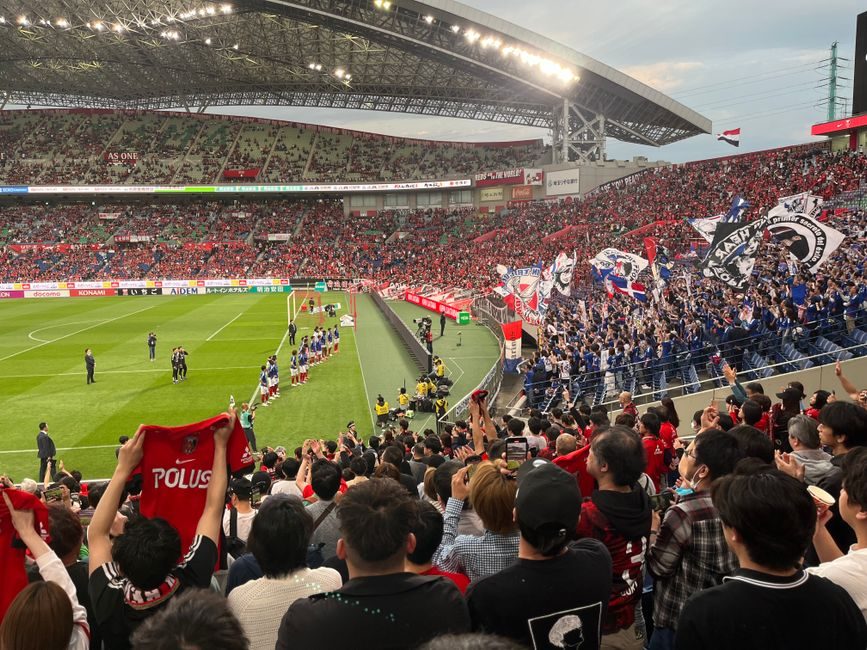
Engaging local supporters responsibly
Community engagement goes beyond social posts; it means shaping a shared story around athletes and teams. Use match-day updates, behind-the-scenes footage, and post-race insights to build trust. The aim is to bring fans closer to the action without overloading them with data.
Create platforms for fans to ask questions and share reactions after events. Moderated forums or live Q&As help the audience feel heard and part of the team’s journey. This builds loyalty and steady readership.
Balance accessibility with accuracy; avoid hype or embellishment. Clear explanations of what the data shows keep interest without misleading readers.
- Host monthly AMAs with athletes or coaches
- Provide quick, digestible race recaps
- Highlight local club stories to widen appeal
Integrating Dundee News with training apps
Syncing updates to training dashboards
Integrate Dundee News feeds into training apps so athletes see performance-relevant updates before sessions. This saves time and keeps focus on today’s plan. Real-time highlights help athletes adjust warm-ups and drills.
Design dashboards that surface only the most relevant items—race plans, pace targets, and recent course data. Overload is the main enemy, so keep it clean and actionable.
Encourage athletes to log feedback on the relevance of each update. Their input tunes the feed to better match real-world training needs.
Ethical and practical cautions

Maintaining integrity in reporting
Sports readers rely on accurate, balanced reporting. Avoid sensational framing that could mislead about an athlete’s form or the implications of headlines. Precision in language protects trust and credibility.
Always verify critical facts before publishing, especially when team strategies or event outcomes depend on the information. Errors can misdirect training plans and fan expectations.
Provide context for numbers, noting limitations of data and the scope of any analysis. Readers should understand what remains uncertain or speculative.
- Avoid overstating significance of single data points
- Clarify the source and freshness of updates
- Flag any potential conflicts of interest
Frequently asked questions
How do I choose which Dundee News updates to follow for my sport?Start with the events you compete in or watch most closely. Filter for pace, intensity, and course specifics that directly affect your performance. Rely on a steady rhythm: check updates after training and before matches, then adjust your plan based on what you see.
Can I use Dundee News updates with my training app without technical knowledge?Yes. Many apps offer simple integrations or feeds that can be enabled with a few taps. Begin with a focused set of signals, then expand if you need more detail. The goal is a frictionless flow of relevant information.
What makes a good balance between updates and overload?Prioritize relevance over volume. Allow readers to opt into deeper dives on specific topics, but keep primary feeds compact. If users stop scrolling, you’ve hit the right balance.
Are there ethical concerns I should watch for when using news updates for team planning?Yes. Be transparent about data sources and avoid implying certainty where it doesn’t exist. Describe limits of data and avoid sensational framing that could mislead fans or players.
Next steps for readers
Take a practical workflow for integrating Dundee News into your training routine. Start with a weekly check, then add one targeted metric per month to sharpen your focus without noise.
Add Sports Post as a preferred source on Google


