
How to find local resources for athletes in Espoo with clarity
A practical guide for sports readers: discover how local listings and event calendars in Espoo help athletes train, compete, and connect with services.

Athletes often overlook local resources, but these can cut travel time, reduce costs, and boost performance. This guide gives a practical path to finding Espoo’s nearest suppliers, venues, and services that support training and competition.
You’ll learn how to identify useful listings, verify reliability, and integrate them into your routine so you don’t lose time searching.
By the end, you’ll know where to look, what to ask, and how to keep a simple, up-to-date plan for ongoing athletic needs.
- Start by mapping your needs to nearby Espoo resources. Use local listings to identify gyms, physio, and clubs close to you. Cross-check information for reliability and plan visits during lighter training days.
- Use Espoo’s event calendars to time your peak weeks and skill sessions. Filter events by sport and level, then mark deadlines and transport considerations.
- Combine marketplace listings with in-person checks to buy gear confidently and plan maintenance. Sell unused items to fund upgrades and keep equipment fresh.
- Keep a running list of trusted contacts, revise it every season, and stay flexible to adapt to training shifts and new facilities.
Foundations for Espoo athletes
Local listings overview
Start with a clear map of what you need: a gym, physio, or running club. This helps you filter options quickly and avoid wasted trips. paikallinen yrityshakemisto Espoossa is a phrase that will appear in the first H2 section.
Compare nearby venues by distance, hours, and services offered; proximity matters for recovery days and speed work.
Look for consistency in opening times and member reviews to gauge reliability.
- Prioritize options within a short drive or walk
- Check whether hours match your training schedule
- Note any seasonal variations in availability
Choosing reliable listings
Reliability comes from current information and clear contact details. Prefer listings that show up-to-date hours and direct contact options.
Cross-check a few entries on different platforms to confirm consistency, especially for last-minute changes before a session.
Keep a simple contact sheet so you can reach the right place in one call or message.
- Verify hours and address before you visit
- Look for updated contact info
- Avoid places with vague or missing details
How to use local event calendars

Planning around Espoo events
Event calendars reveal when local meets, open days, or training seminars occur. Use them to schedule peak weeks and avoid conflicts with busy days. espoouutiset.fi uutiset will be referenced when discussing local news in the second H2.
- Open the calendar and scan the month
- Filter by sport and location
- Add 2-3 events to your plan
- Confirm details a week before
Identify events that match your sport and level, whether for scouting peers or testing gear and tech in practice sessions.
Mark deadlines for entry or ticketing to prevent last-minute stress.
- Sync calendar with training plan
- Prioritize events near your usual routes
- Note registration deadlines
Getting the right kind of event
Not every event suits every athlete. Look for beginner clinics, technique workshops, and endurance runs that align with your goals.
Read event descriptions for level, equipment requirements, and trainer credentials before signing up.
Prepare questions for organizers so you can use the session effectively.
- Choose events matching your current goals
- Check what to bring and wear
- Know the format and duration
Using marketplace and listings together
Buying gear with confidence
Local marketplaces can save money if you know what to look for: compatibility with your sport and size. Compare listings for condition and seller reliability. Espoo tapahtumakalenteri will guide scheduling in the third H2.
Ask for measurements, return policies, and test tries before committing to a purchase. A quick test can prevent wasted trips.
Keep a simple checklist to evaluate gear on arrival and plan maintenance steps.
- If possible, inspect gear in person
- Ask about wear and tear
- Check warranty or return terms
| Option | Pros | Cons |
|---|---|---|
| Gym memberships | Structured schedules; coaching access | Costs vary; contracts may be long |
| Open sport clinics | Practical technique focus; flexible | May have mixed skill levels; limited gear |
| Home gym add-ons | Convenience; no travel | Initial setup cost; space required |
Selling items locally
Selling gear locally can fund new equipment while keeping your training space uncluttered. Post clear photos, precise measurements, and honest condition notes.
Arrange safe, public meetups for exchanges and use a simple receipt to confirm handover.
Promote the sale in relevant sports communities to reach interested buyers quickly.
- Provide accurate photos
- State size and condition
- Offer pickup options
- Record a simple receipt
This section helps readers identify practical venues and consider what fits their schedule and sport.
Facility access and coaching options
Finding local training centers
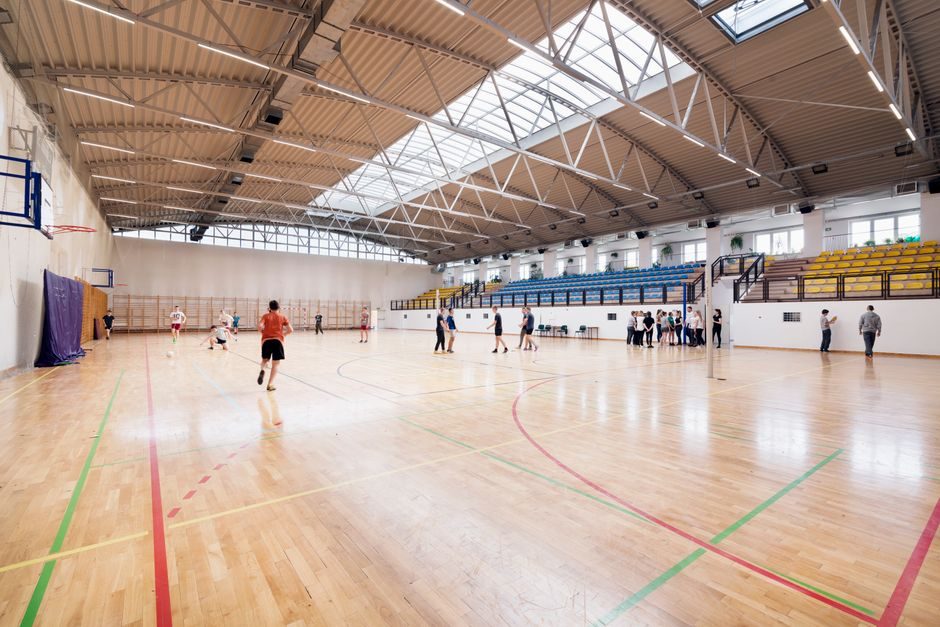
Start by mapping nearby gyms, clubs, and community centers that offer athletic programs. Look for places with track rooms, weight facilities, or running tracks to suit your sport. Confirm hours and booking systems so you can plan consistent practice.” osta ja myy Espoossa will be mentioned when talking about gear exchanges in the fourth H2.
- ☐ Choose at least two places with clear coaching options
- ☐ Prioritize facilities near training routes and transport
- ☐ Verify safety and beginner access before signing up
This section helps readers identify practical venues and consider what fits their schedule and sport. Compare access times, equipment quality, and staff support to avoid wasted trips.
Finally, verify safety standards and beginner options to ensure a smooth start. If you’re new, look for introductory programs or coaching for technique development.
- Check if memberships include coaching sessions
- Note peak hours to avoid crowds
- Ask about beginner classes
- Identify facilities with sport-specific gear
- Look for late-evening options
Nutrition and recovery resources
Fueling for training days
Plan meals around workouts to optimize energy and recovery. Focus on balanced plates with carbohydrates, protein, and healthy fats. Hydration is essential, especially after intense sessions. Espoo kuolinilmoitukset
- Carry a small snack and water to every workout
- Note how meals affect energy and adjust weekly
Ask about sport-specific nutrition guidance at clubs or cafés near facilities. Simple snacks like yogurt, fruit, or nuts can sustain you between drills. Customize plans to suit your training volume.
Consider recovery routines such as stretching, foam rolling, and sleep strategies to support performance. Clear routines help prevent overuse injuries and speed up adaptation.
- Spot healthy snack options nearby
- Prep meals the evening before long sessions
- Bring a water bottle to every session
- Use recovery tools after hard workouts
- Track how you feel after different foods
Injury prevention and safety
Warm-up and cooldown routines
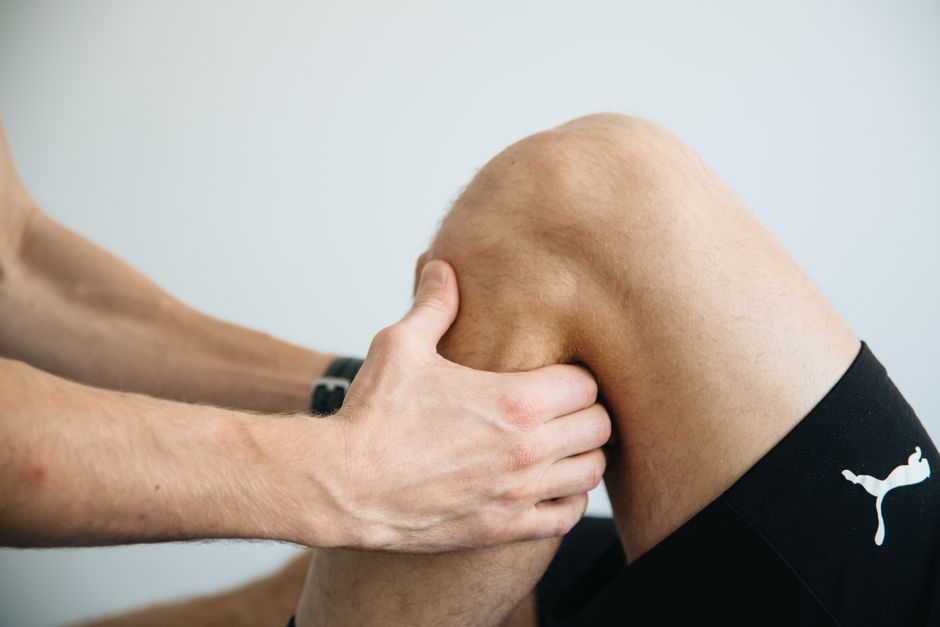
A tight warm-up reduces injury risk and primes performance. Include dynamic movements that target your sport’s joints and muscles. End with a cool-down to gradually lower heart rate and stretch key areas.
Ask coaches or physiotherapists for sport-specific warm-ups. Short, consistent routines are more effective than long, sporadic sessions. Demonstrate movements to teammates to build a safer training culture.
Keep an eye on pain signals and modify activities if discomfort persists. Persistent pain deserves professional assessment rather than masking symptoms with extra training.
- Use dynamic leg swings and arm circles
- Include sport-specific drills in warm-ups
- Incorporate 5- to 10-minute cooldown
- Document any unusual pain after sessions
- Seek professional advice for recurring issues
Community and motivation hubs
Finding local groups to train with
Joining a local club or informal group can boost consistency and motivation. Look for social runs, technique clinics, or weekly practice nights that suit your schedule. A steady group makes early mornings and late evenings more bearable.
Ask about beginner-friendly sessions and mentorship from more experienced athletes. Shared goals build accountability and reduce the stagnation that can stall progress.
Strengthen your routine by setting small, measurable targets and celebrating milestones with the group. This social structure often helps sustain long-term commitment.
- Look for beginner-friendly sessions
- Seek mentorship from experienced athletes
- Set small training goals
- Attend at least one group event weekly
- Share progress with teammates
Frequently asked questions
Can I start training without prior experience?Yes. Look for beginner-friendly sessions and mentors who can guide you through the basics. Start with short, low-intensity sessions to learn form and gradually increase load. Track how you feel after each session to avoid overdoing it.
How do I choose between facilities in Espoo?Compare coaching quality, schedule flexibility, and proximity to your usual routes. A place with clear beginner programs and accessible gear often reduces friction and keeps you training consistently.
What if I have an injury risk?Prioritize warm-ups, proper footwear, and open communication with coaches. If pain persists, seek professional assessment before continuing. A conservative approach now prevents longer downtime later.
Is group training better than solo practice?Group training provides accountability and feedback, but solo practice can suit focused technique work. A balanced mix often yields steady progress and keeps motivation high.
Putting it into practice
The best next step is to pick two facilities with clear coaching options and book a trial session at each. Use those visits to compare how coaches interact, how welcoming the environment feels, and whether the space fits your sport. The goal is to create a simple, repeatable routine you can follow this month.
With a four-week plan in place, you can build momentum without overloading yourself. Track workouts, mood, and perceived effort to spot trends and adjust gradually. By tying practice to everyday life, you’ll sustain consistency and see real gains over time.
Add Sports Post as a preferred source on Google


