
How Long Is a Football Match? Minutes, Breaks and Extra Time
A standard football match lasts 90 minutes, plus half-time and added time. Learn when stoppage time and extra time apply, and how to read the clock.

A standard adult football match lasts 90 minutes: two 45-minute halves, separated by a half-time interval. The referee may add time at the end of each half for delays, so the final whistle usually comes after 90 minutes on the clock. In some knockout matches, teams play two 15-minute periods of extra time if the score is level.
The match clock does not stop whenever the ball goes out or a player is treated. Instead, the referee keeps track of lost time and announces a minimum amount to add at the end of each half.
Use this guide to tell regulation time, half-time, stoppage time and extra time apart. The exact format can depend on the competition, so check its rules when a tie needs a winner.
- A standard senior match has two 45-minute halves, with a half-time interval between them.
- The referee adds time for delays, and the displayed figure is a minimum.
- Extra time may follow a level knockout match when competition rules require a winner.
- If the score remains level, the rules determine whether a shoot-out follows.
How long is a standard football match?
The standard ninety minutes
A standard senior football match is 90 minutes of playing time, split into two 45-minute halves. The referee starts each half with the kick-off and signals its end, with time added for stoppages rather than pausing the clock whenever play stops. The match can therefore run beyond 90 minutes in real time.
For example, a league fixture that reaches the end of both halves without lengthy delays still includes a half-time break, so spectators are at the ground longer than 90 minutes. The scoreboard clock usually counts upwards from zero in each half, while the referee keeps the official time. The referee's decision determines when play ends.
The length can differ in youth football or other formats, where competition rules may set shorter halves. Before a match, check the fixture or tournament regulations if it is not a standard senior game. For most senior matches, though, the useful starting point is two 45-minute periods, followed by any added time.
The clock and real time
The 90-minute figure refers to playing time, not the full visit from kick-off to the final whistle. Half-time, stoppages and any extra-time periods extend the elapsed time, and a match may also have delays before play resumes. This distinction helps when planning travel or following a broadcast schedule.
A match clock may display the minutes as they pass, but it does not show a running countdown to the final whistle. At the end of each half, the referee allows for time lost during that period. The displayed added-time figure is a minimum, not a promise that play ends at that exact moment.
If you are travelling to an international knockout match, checking güncel döviz kurları can help you make sense of local costs around the fixture. That planning is separate from the match duration itself: the playing-time format remains governed by the competition's rules. Keep the fixture schedule and the stadium's entry guidance in mind as well.
What happens at half-time?
The interval between halves
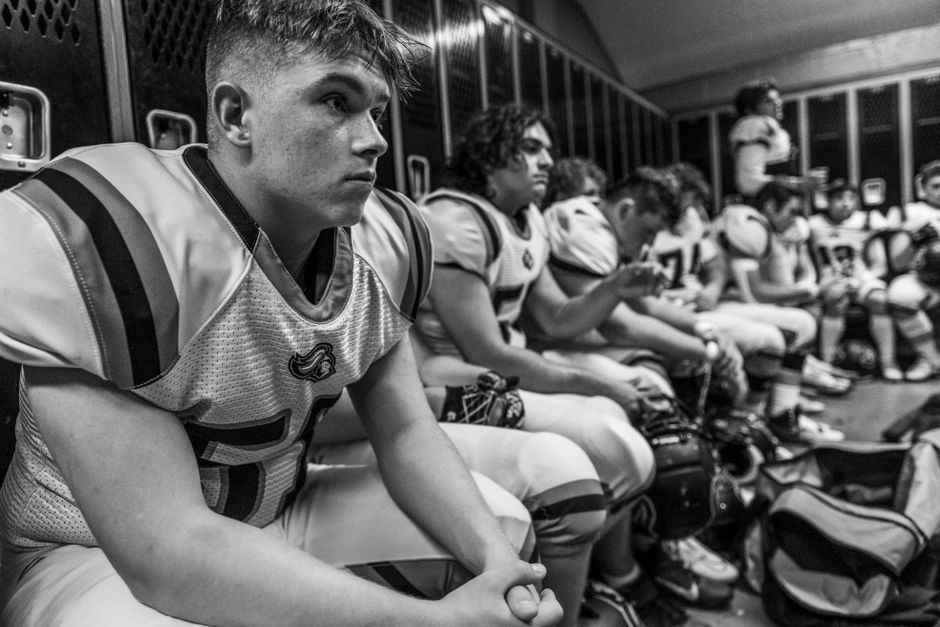
Half-time is the break between the first and second 45-minute periods, giving players time to rest and receive instructions. In standard senior football, the interval must not exceed 15 minutes, although competition rules can specify a shorter break. The referee indicates when the teams should return and restart play.
The clock does not continue counting as playing time during this interval. If the first half ends after added time, the break follows the referee's whistle, not the moment the displayed clock reaches 45 minutes. The second half then begins with a fresh period of play and its own added time if needed.
For spectators, the interval is a useful moment to check the score, team changes and the remaining match schedule. At a ground, follow announcements about when to return to your seat; on a broadcast, the half-time studio coverage may last longer than the actual interval. The match resumes when the referee signals the restart.
Changes during the break
Teams can make substitutions at half-time, and those changes do not use time from the second half. A manager may also alter the team's shape or instructions after seeing how the opening period unfolded. The referee checks that players are ready before allowing the second-half kick-off.
A substitution at the interval differs from one made during active play because the game is already stopped. In either case, substitutions must follow the competition's rules and be completed with the referee's permission. The exact number of available changes varies by competition, so there is no single figure that applies everywhere.
A longer-than-expected wait to restart does not change the scheduled length of the halves, but delays can affect the second-half timing. The referee can account for lost time later, including time spent on substitutions or injuries. Watch for the referee's signal and the restart rather than assuming the match resumes at a fixed wall-clock time.
Why does the referee add stoppage time?
Time lost during play
The referee adds time to make up for significant delays during each half, including substitutions, injuries, goal celebrations and disciplinary checks. The fourth official typically displays the minimum added time near the end of the period. Fans arranging match-day spending abroad may find an online döviz çevirici useful for comparing costs in different currencies.
- Mistake: treating the displayed added time as an exact finish; better approach: remember it is a minimum.
- Mistake: assuming every stoppage is added in full; better approach: leave the calculation to the referee.
- Mistake: expecting first-half unused time to carry over; better approach: treat each half separately.
The displayed figure is a minimum because further delays can happen after it appears. If a player needs treatment during added time, for instance, the referee may allow additional minutes before ending the half. The referee—not the scoreboard operator—judges how much time has been lost and when the period should finish.
Added time is calculated separately for the first and second halves; unused time from one half is not carried into the next. A long stoppage in the opening period therefore affects that period's ending, while later delays are assessed in the second half. This is why two matches with similar play can show different added-time figures.
| Situation | What the display means | What to expect |
|---|---|---|
| End of first half | Minimum added time | The referee may allow more |
| End of second half | Minimum added time | Play ends at the referee's whistle |
| Delay after the board appears | Further time may be added | The referee judges the delay |
Who decides the added time
The referee has the final say on added time, using their assessment of delays in that half. The fourth official communicates the minimum through the board, but the referee can extend play if more time is lost afterward. A broadcast clock is useful to follow events, but it does not overrule the referee's decision.
Added time is not a fixed amount that applies to every match. A half with few interruptions may have little time added, while repeated injuries, substitutions or lengthy reviews can mean more. The amount shown is tied to what happened in that period, rather than a standard extra allowance for every fixture.
When comparing ways of understanding the added-time display, focus on what each can and cannot tell you. The official board gives the minimum, the referee controls the whistle, and a broadcast clock shows elapsed time. None guarantees the exact final moment if play is delayed again.
It is not a routine part of every match, and many league fixtures can end in a draw.
When is extra time played?
Knockout ties needing a winner
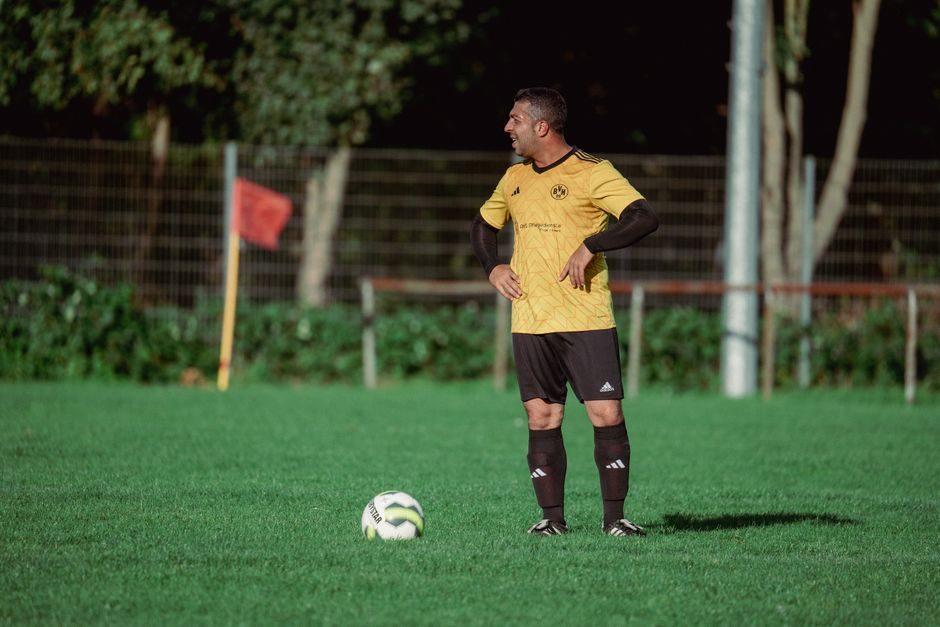
Extra time may be played when a knockout match is level after the regulation 90 minutes and its added time, if the competition rules require a winner that day. It is not a routine part of every match, and many league fixtures can end in a draw. Check the tournament rules rather than assuming a tied score leads to extra time.
- Check whether the competition requires a winner.
- Wait for regulation time and its added time to finish.
- If the tie is level, look for the two extra-time periods.
- If still level, follow the competition's next tie-break rule.
When used, extra time consists of two periods of 15 minutes, with a short interval between them. The referee can add time to either period for delays, just as in regulation play. If the score remains level after extra time, the competition may use a penalty shoot-out to decide which team advances.
A two-legged tie may use an aggregate score across both matches, so the relevant question is whether the teams are level under that competition's rules. Some tournaments have changed or vary their tie-break procedures. Follow the official match coverage or competition regulations to know whether extra time is possible and what comes next.
Extra time versus penalties
Extra time is additional playing time, while a penalty shoot-out is a separate tie-break after the match has ended. During extra time, teams continue playing football and can score goals; a shoot-out instead has players taking penalties under the referee's supervision. The competition rules determine whether one or both stages are used.
A match that reaches a shoot-out has already completed its permitted playing periods, including extra time when that format applies. The shoot-out does not add another timed half, though it extends the event for players and spectators. This difference matters when reading results: a team can win a tie on penalties after the match score remains level.
Do not assume that every cup tie uses extra time before penalties. Some formats go directly to a shoot-out after regulation time, while others schedule extra time first. The match regulations provide the answer, especially when a competition has a distinctive format or a tie spans more than one leg.
How do knockout match rules affect the duration?
Check The Tie Format
Before a knockout fixture, check whether it is a single match or one leg of a two-leg tie. In a single-match tie, the competition rules decide what happens if the score is level after normal time; a two-leg tie also depends on the combined score across both games.
A level score does not automatically mean every knockout match goes to extra time. Some competitions settle a drawn tie with a penalty shoot-out after normal time, while others schedule extra time first; the match regulations or fixture information will tell you which route applies.
Do not assume that a rule used in one competition carries over to another. For example, tie-break procedures can differ between domestic cups, European tournaments and age-group competitions, so check the rules for the specific fixture rather than relying on an old result or familiar format.
- Confirm whether the tie has one leg or two.
- Check how the competition handles a level score.
- For a two-leg tie, note the aggregate score.
Allow For A Shoot-Out
If a tie reaches penalties, the event continues beyond the end of playing time, even though the shoot-out is not added to the match clock. Players take turns from the spot, and the contest ends when one side has an unassailable lead or the required rounds are complete.
A shoot-out can add a noticeable wait before spectators leave, especially when teams remain level after the initial rounds. For travel planning, treat the final whistle as the start of the exit rather than the moment you will reach a station, car park or meeting point.
The result may be decided by penalties without extra time, depending on the competition rules. That distinction matters when comparing formats: a match can finish level after normal time, proceed directly to a shoot-out and still take longer to attend than the playing clock suggests.
What should travelling fans know about following a match?
Track The Live Clock
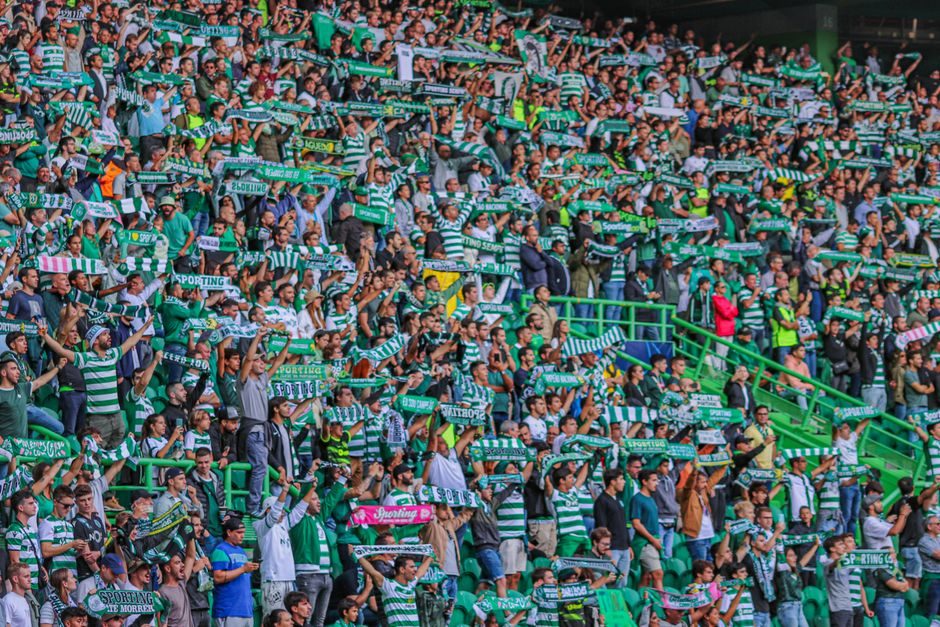
Use the match clock and the referee’s indicated added time to judge how much play remains, rather than expecting the clock to stop at 90 minutes. Broadcast graphics and live commentary can help you follow the action when you are away from the ground or watching in a different time zone.
- A 90-minute clock does not include every moment before the final whistle.
- Local kick-off time can differ from the time shown at home.
- A live match update can help when a broadcast is unavailable.
If you are watching abroad, check the local kick-off time as well as the fixture’s listed time. Broadcasters, ticketing services and club channels may display times in different time zones, so confirm the venue’s local time before arranging a call, stream or meeting with other supporters.
When planning spending for an overseas match trip, checking bugün dolar kaç TL can help put dollar-denominated expenses in context. Keep the match details separate from currency estimates, since exchange rates and payment costs can change between the time you plan and the time you travel.
- Confirm the kick-off time in the venue’s time zone.
- Follow the referee’s indicated added time.
- Check your broadcast or live-update source before kick-off.
Plan Around Access
Check the venue’s entry guidance and your transport options before setting off, because a match-day schedule includes more than the time on the pitch. Allow time to reach the ground, pass through entry checks and find your seat before kick-off.
If you are following the game from a public venue, confirm its screening arrangements and closing time rather than assuming it will stay open until the final whistle. A late finish, extra time or a shoot-out can shift the point when you need to leave or make alternative plans.
Keep a reliable way to receive updates if plans depend on the match finishing at a particular moment. A delayed start, a longer knockout tie or a change in broadcast coverage can affect when you leave, so agree a flexible meeting point with anyone travelling alongside you.
How can you plan the time around a football trip?
Build In A Buffer
Leave a buffer after the scheduled end of the match before booking a tight connection or arranging a fixed pick-up. A regulation-time finish can be extended by added time, and a knockout tie may continue into extra time or a shoot-out if its rules require it.
Work backwards from the time you need to be at the station, stop or airport, then include the journey from the ground and the time needed to get out of the crowd. The final whistle is not the same as being clear of the stadium, particularly when many spectators leave together.
For an away day, note the last practical return option before you travel and identify a backup if the match runs on. This is especially useful when services are less frequent later in the day or the ground is some distance from the main transport hub.
- Check the return journey before match day.
- Allow time to leave the ground after the whistle.
- Keep a backup plan for a late finish.
Coordinate The Group
Agree a clear meeting point and a fallback plan with your group before entering the ground. Mobile reception can be unreliable in a busy stadium, and people may leave by different exits or move at different speeds when the crowd disperses.
Share the venue address and the planned route with everyone travelling together, including anyone arriving separately. If someone needs to leave early, decide how they will get to the agreed destination without relying on a last-minute message during the closing minutes.
Keep tickets, transport details and essential contact information accessible rather than buried in a message thread. A simple shared plan makes it easier to respond if the match lasts longer than expected, a connection is missed or the group becomes separated outside.
What can cause a match to last longer than expected?

Expect Interruptions
An announced amount of added time is a minimum, not a promise that the final whistle will sound at that exact point. If another stoppage occurs during that period, the referee can allow additional time so the match reflects the interruption.
Video assistant referee checks, injury treatment, substitutions and lengthy goal celebrations can all affect how much time is played beyond the scheduled 45-minute halves. The exact effect depends on what happens in that particular match, so added time is not a fixed extension that fans can predict in advance.
A brief pause may not look significant on its own, but several interruptions can accumulate across a half. Watch for the referee’s indication near the end and remember that the displayed figure does not necessarily mark the precise moment the match will finish.
- A late stoppage can extend play beyond the indicated added time.
- VAR reviews and injury treatment can interrupt the match.
- Added time varies with events in each half.
Account For Delays
A match can start later than scheduled if an earlier event, travel disruption or an operational issue affects preparations. Follow the club, competition or venue’s official updates on the day, since an announced kick-off time can change before players take the field.
Weather or a problem with the playing surface can also interrupt proceedings, and the officials may pause play while the issue is addressed. The length of any delay depends on the circumstances; there is no single extra-time allowance that applies to every interruption.
Keep your plans flexible when the fixture has been affected by a delay, and check for revised information before leaving for the ground. If you have a connection or collection to make afterwards, use the latest confirmed start time and leave a margin for the match itself to run on.
Frequently asked questions
Does the referee stop the clock when the ball is out of play?In ordinary football, the match clock continues through most stoppages rather than pausing whenever the ball leaves the field. The referee accounts for lost time by allowing added time at the end of each half. This is why the time shown on a broadcast can reach 45 or 90 minutes while play continues, and why the final whistle may come later.
Is the half-time interval always the same length?The Laws of the Game allow a half-time interval, but its length is set by the competition regulations and can be adjusted in limited circumstances. Check the match or tournament information if the break matters to your plans. For spectators, it is sensible to use the interval for refreshments or facilities promptly, rather than assuming it will be extended.
Does a penalty shoot-out count as match time?No. A shoot-out takes place after the match has ended and is not part of the playing-time clock. It can still keep supporters at the venue longer, because players must take the kicks and officials must determine the result. Whether a drawn knockout tie goes to penalties, extra time first or another procedure depends on its competition rules.
Can a football match be abandoned before full time?Yes. A referee may suspend or abandon a match when circumstances make it impossible or unsafe to continue, such as serious weather or another significant disruption. The competition organiser then applies its regulations to decide whether the fixture will resume, be replayed or receive another outcome. Fans should follow official club and competition updates rather than assume a result.
Plan For The Whistle, Not The Clock
A standard football match is built around two 45-minute halves, but the final whistle does not arrive on a guaranteed schedule. Added time, a competition’s knockout format and interruptions can all extend the experience, while a shoot-out may keep fans at the ground after playing time has ended. For a fixture you plan to attend or follow live, check its specific rules and allow room for an uncertain finish.
Before your next match, confirm the kick-off time, tie format and return journey, then decide what you will do if play runs late. Keep an eye on official updates on match day, especially if a delay affects the start. That small check helps you follow the action without mistaking the clock for a promise about when you will be on your way home.
Add Sports Post as a preferred source on Google


