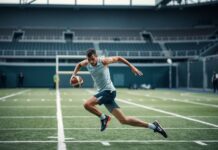
The Pursuit of Excellence in Sports
In the world of sports, the pursuit of excellence is a relentless journey. Athletes dedicate their lives to mastering their craft, pushing the boundaries of human potential, and achieving peak performance. This journey is not just about physical prowess but also about mental resilience, strategic thinking, and a holistic approach to lifestyle. Understanding the intersection of sports and lifestyle is crucial for any aspiring athlete or fitness enthusiast looking to elevate their game.
The Role of Lifestyle in Athletic Performance
Lifestyle plays a pivotal role in an athlete’s performance. From nutrition to sleep, every aspect of daily life can impact an athlete’s ability to train effectively and recover efficiently. Athletes often follow strict routines that include balanced diets, adequate rest, and regular check-ups to ensure they are in optimal condition. Additionally, incorporating lifestyle tips daily improvement practices can make a significant difference in an athlete’s overall well-being and performance. Websites like lifestyle tips daily improvement offer valuable insights into how small changes can lead to big improvements in daily life.
Nutrition: The Fuel for Athletic Success
Nutrition is the cornerstone of athletic performance. Athletes require a diet rich in macronutrients—proteins, carbohydrates, and fats—to fuel their bodies for intense training sessions and competitions. Proteins are essential for muscle repair and growth, carbohydrates provide the energy needed for high-intensity workouts, and healthy fats support overall health and hormone function. Hydration is equally important, as even mild dehydration can impair performance. Athletes often work with nutritionists to create personalized meal plans that meet their specific needs and goals.
Key Nutritional Strategies for Athletes
Here are some key nutritional strategies that athletes often adopt:
- Pre-Workout Nutrition: Consuming a balanced meal or snack rich in carbohydrates and proteins about 1-2 hours before a workout can provide the necessary energy and prevent muscle breakdown.
- Post-Workout Nutrition: After a workout, athletes should focus on replenishing glycogen stores and repairing muscle tissue. A combination of proteins and carbohydrates within 30-60 minutes post-exercise is ideal.
- Hydration: Staying hydrated is crucial for maintaining performance and preventing fatigue. Athletes should drink water regularly throughout the day and during workouts.
- Supplements: While a balanced diet should be the primary source of nutrients, some athletes may benefit from supplements like protein powders, creatine, and electrolytes to support their training and recovery.
The Importance of Rest and Recovery
Rest and recovery are often overlooked but are vital components of an athlete’s training regimen. Adequate sleep allows the body to repair and rebuild muscle tissue, consolidate motor skills, and improve overall performance. Athletes should aim for 7-9 hours of quality sleep per night. Additionally, incorporating rest days into a training schedule can prevent overtraining and reduce the risk of injury. Active recovery methods, such as light jogging, swimming, or yoga, can also help athletes stay active while allowing their bodies to recover.
Recovery Techniques for Athletes
Here are some effective recovery techniques that athletes use:
- Stretching and Foam Rolling: Stretching and foam rolling can help improve flexibility, reduce muscle soreness, and enhance recovery.
- Massage Therapy: Regular massages can improve circulation, reduce muscle tension, and promote relaxation.
- Cold and Hot Therapy: Alternating between cold and hot therapy can help reduce inflammation, alleviate pain, and speed up recovery.
- Mindfulness and Meditation: Practicing mindfulness and meditation can help athletes manage stress, improve focus, and enhance overall well-being.
Mental Resilience: The Mindset of a Champion
Mental resilience is a critical factor in an athlete’s success. The ability to stay focused, motivated, and composed under pressure can make all the difference in high-stakes competitions. Athletes often work with sports psychologists to develop mental toughness, visualize success, and manage stress. Techniques such as goal setting, positive self-talk, and visualization can help athletes maintain a winning mindset and overcome challenges.
Building Mental Resilience
Here are some strategies for building mental resilience:
- Goal Setting: Setting clear, achievable goals can provide athletes with a sense of direction and purpose, helping them stay motivated and focused.
- Positive Self-Talk: Using positive affirmations and self-talk can help athletes build confidence, reduce anxiety, and improve performance.
- Visualization: Visualizing success can help athletes mentally prepare for competitions, anticipate challenges, and stay focused on their goals.
- Mindfulness and Meditation: Practicing mindfulness and meditation can help athletes stay present, manage stress, and improve overall well-being.
Team Dynamics: The Power of Collaboration
In team sports, the power of collaboration cannot be overstated. Effective communication, trust, and mutual respect are essential for a team’s success. Athletes must work together, support each other, and strive towards a common goal. Coaches play a crucial role in fostering a positive team environment, resolving conflicts, and motivating players to perform at their best. Understanding the dynamics of teamwork can help athletes and coaches build cohesive, high-performing teams.
In conclusion, the intersection of sports and lifestyle is a complex and multifaceted topic. Athletes must adopt a holistic approach to training, incorporating nutrition, rest, mental resilience, and team dynamics into their daily routines. By focusing on these key areas, athletes can achieve peak performance, overcome challenges, and reach their full potential. Whether you are an aspiring athlete or a fitness enthusiast, understanding the role of lifestyle in sports can help you elevate your game and achieve your goals.
Unlock your team’s potential with our latest piece on organization tips for athletes, offering practical advice to streamline your training and boost performance.
Elevate your game and style with our latest fashion guide, discover 2024 spring trends, and stay ahead of the curve both on and off the field.
Delve into the fascinating connection between physical activity and mental health with our latest feature, sports and mental well-being, a must-read for athletes and fitness enthusiasts alike.