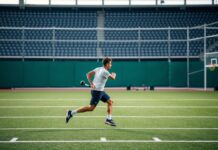
The Unseen Influences on Athletic Performance
The world of sports is a complex tapestry woven with threads of physical prowess, mental fortitude, and strategic acumen. However, there are lesser-known influences that can significantly impact an athlete’s performance. One such influence is the cultural practices and rituals that athletes from different backgrounds bring to their training and competition routines. These practices, often deeply rooted in tradition, can provide unique advantages and insights into the world of sports.
The Role of Traditional Practices in Sports
Traditional practices and rituals have long been a part of athletic preparation. From the ancient Greek athletes who would train and compete in the nude to honor the gods, to modern-day athletes who engage in pre-game rituals for luck and focus, these practices serve a dual purpose. They not only connect athletes to their cultural heritage but also provide a psychological boost that can enhance performance. For instance, the use of buhurdan türleri ve bakım yöntemleri in certain cultures is believed to create a calming and focused environment, which can be crucial for athletes preparing for high-stakes competitions.
Cultural Rituals and Mental Preparation
Mental preparation is a critical component of athletic success. Cultural rituals and practices can play a significant role in this aspect. For example, the use of incense and aromatherapy, such as those described in buhurdan türleri ve bakım yöntemleri, can help athletes achieve a state of mindfulness and relaxation. This can be particularly beneficial in high-pressure situations where mental clarity is essential. Athletes who incorporate these practices into their routines often report feeling more centered and focused, which can translate into better performance on the field or court.
Physical Benefits of Traditional Practices
Beyond the mental benefits, some traditional practices also offer physical advantages. For instance, certain cultural exercises and movements can improve flexibility, strength, and coordination. These practices, often passed down through generations, are designed to enhance the body’s natural abilities and can complement modern training methods. By integrating these traditional exercises into their routines, athletes can achieve a more holistic approach to fitness and performance.
The Impact of Cultural Diversity in Sports
The diversity of cultural practices in sports enriches the athletic landscape. Athletes from different backgrounds bring unique perspectives and methods to their training and competition. This diversity fosters innovation and can lead to the development of new training techniques and strategies. For example, the incorporation of traditional practices from various cultures can inspire new approaches to mental and physical preparation, benefiting athletes worldwide.
Case Studies of Cultural Influence
There are numerous examples of athletes who have successfully integrated cultural practices into their training routines. For instance, some athletes use meditation and breathing techniques rooted in ancient traditions to improve their focus and endurance. Others incorporate traditional exercises and movements to enhance their physical abilities. These case studies highlight the potential benefits of embracing cultural diversity in sports and the positive impact it can have on athletic performance.
Embracing Cultural Practices in Modern Sports
As the world becomes more interconnected, the exchange of cultural practices and knowledge becomes increasingly important. Athletes and coaches should be encouraged to explore and incorporate traditional practices into their training routines. This can not only enhance performance but also promote cultural understanding and respect. By embracing these practices, athletes can tap into a wealth of knowledge and experience that has been passed down through generations.
Practical Tips for Incorporating Cultural Practices
For athletes interested in incorporating cultural practices into their routines, there are several practical steps they can take. First, they should research and understand the cultural significance of the practices they are considering. This can help them appreciate the depth and meaning behind these traditions. Second, they should consult with experts or practitioners who can guide them in the proper execution of these practices. Finally, they should be open to experimenting and adapting these practices to fit their individual needs and preferences.
Conclusion
The intersection of sports and culture offers a rich tapestry of influences that can enhance athletic performance. By embracing traditional practices and rituals, athletes can gain unique advantages in both mental and physical preparation. The diversity of cultural practices in sports not only enriches the athletic landscape but also promotes cultural understanding and respect. As athletes continue to explore and incorporate these practices into their routines, they can tap into a wealth of knowledge and experience that has been passed down through generations, ultimately enhancing their performance and contributing to the broader world of sports.