
Plan smart: local events in the USA this week for athletes
A practical, crossword-free checklist for athletes and sports fans to spot relevant local events in the USA this week and turn them into training gains.

For readers who want performance gains from every mile, this guide shows how to find local events in the USA this week that fit training blocks and competition schedules. The aim is clear: pick events that sharpen speed, endurance, or tactical awareness without derailing your routine. You’ll get a practical, step-by-step checklist you can actually follow.
Across the week, you’ll see why filtering by distance, terrain, and level matters more than chasing noise. The guide explains how to verify event logistics, pick the right race or meet, and slot it into a training plan. Expect concrete actions, not vague tips.
By the end, you’ll have a ready-to-use plan that explains where to look, what to ask, and how to adapt if weather or travel disrupts your usual schedule. The goal is to help you stay consistent and motivated while discovering events that push your limits.
- Identify events that align with your training phase and sport. Look for local races or meets within reasonable travel distance.
- Verify logistics early: dates, course type, and packet pickup to avoid last‑minute stress.
- Plan your week around the event, then use race data to shape the next training block.
- Keep a simple log of performance, recovery, and travel impact to refine future choices.
Basics to find events
What counts as an event
Start with local races, club meets, and charity runs that fit your sport and current form. Prioritize events within a reasonable travel distance and a realistic time window for recovery. local events in the USA this week can be your first test in a new training block.
- Assuming every local race fits; pick by distance and profile
- Registration without checking course details
- Overbooking weeks with back-to-back events
Check the event type to match your goal—speed work, endurance blocks, or tactical drills. A 5K might suit a speed phase; a longer road race supports base-building.
Record the key dates and registration deadlines, then map them against your weekly plan. This keeps you from missing opportunities or overloading days near hard sessions.
- Choose events aligned with your current phase
- Avoid races that collide with high-intensity days
- Note travel and recovery needs
- Verify course difficulty and surface
- Confirm entry availability
Where to look this week
Start with official league calendars, local running clubs, and university meets for authentic competition. These sources usually publish dates, courses, and entry notes early.
Evaluate event reliability by cross-checking with a couple of independent posts or club newsletters. A single list can miss last-minute changes.
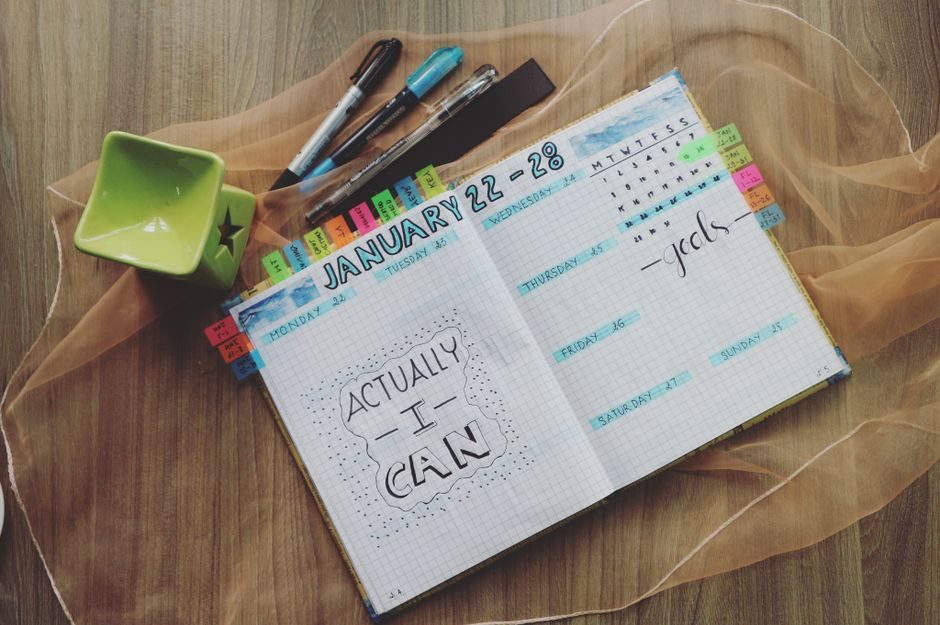
Create a simple calendar note for each event: date, distance, surface, expected weather, and travel time. This keeps you from guessing on race day.
- Official calendars
- Club newsletters
- Independence from hype
- Weather and surface checks
- Travel time estimates
How to fit events into training
Align with your cycle
Choose events that sit at the edge of your current phase—comfortably challenging but doable. If you’re building speed, pick a 5K or 10K near the peak of a speed window. cryptonewsmag.com news feeds can offer broader context for crypto-adjacent sports tech.
Use these events to anchor your week: schedule key workouts around the race or meet, with easy days before and after.
Avoid piling up hard sessions directly before an event; taper with a lighter load to keep freshness.
- Anchor events to training cycles
- Schedule key workouts around events
- Taper to stay fresh
- Protect travel days from hard sessions
- Adjust intensity if fatigue rises
What to bring and where to run
Pack a small, weather-appropriate kit that covers your event specifics and your everyday training needs. Include a few fuel options if the race is longer than your usual limits.
Know the race’s logistics: packet pickup, warm-up area, and start time. A late arrival or crowded warm-up wastes minutes and energy.
Plan your warm-up to mirror race-day demands: mobility, gradual accelerations, and short strides to prepare fast-twitch fibers.
- Light gear for weather
- Fuel choices
- Packet pickup plan
- Warm-up protocol
- Start line strategy
Options for different levels
Local meets vs. bigger events
Local meets offer consistent opportunities and realistic travel, ideal for steady gains. They build routine and give you feedback without overwhelming you. local business directory in the USA lists gym sponsors and sport events near you.
- Overloading with too many big events
- Neglecting recovery after longer races
- Ignoring travel impact on training
Bigger events can test race tactics and crowd dynamics, but require more planning and energy management. Use them sparingly to avoid burnout.
Mix both types across a season to balance continuity with occasional peak performance experiences.
- Balance consistency with peak events
- Use local events for regular tempo work
- Reserve bigger events for milestones
- Mind travel and recovery costs
- Review performance data after each event
| Option | Pros | Cons |
|---|---|---|
| Local meets | Stable routine, easy travel | Limited scale and exposure |
| Bigger events | Tactical race experience | Higher energy and planning needs |
| Hybrid approach | Balanced load and variety | Requires careful scheduling |
Pairing events with workouts
Schedule tempo or threshold runs on the same week as a race to build race-specific fitness. This mirrors the effort you’ll need on race day.
Incorporate tactical sessions—fartlek drills or pursuit-style reps—when events emphasize pacing and positioning.
Use race data for the next block: record finish times, splits, and perceived effort, then adjust the upcoming workouts.
- Tempo around event days
- Tactics-focused sessions
- Use race data to adjust
- Recovery after hard efforts
- Keep a simple log
Unclear goals can make events feel like distractions; define a concrete purpose for each race.
Pitfalls to avoid

Overcommitting early
Beginners often sign up for too many events or too challenging distances. Start small and scale up as confidence and form grow. buy and sell in the USA platforms can help you trade old gear after a race.
Skipping rest between events compounds fatigue and raises injury risk. Prioritise sleep, nutrition, and easy days.
Unclear goals can make events feel like distractions; define a concrete purpose for each race.
- Avoid back-to-back long events
- Plan recovery time
- Set a clear purpose for each race
- Monitor signs of fatigue
- Be honest about form
Weather and course surprises
Weather can change session quality and race day plans; have alternatives ready. Adjust clothing layers and fueling accordingly.
Course profiles matter: hills, surface types, and turns affect pacing. Train on similar terrain when possible.
Have a backup plan for delays or transport issues so training remains on track.
- Layered gear strategies
- Terrain-specific sessions
- Delay contingency plans
- Hydration and fueling adjustments
- Flexible scheduling
Tips for making this work
Prioritize recovery windows
Coordinate event days with key rest periods in your week. Schedule light sessions before and easy workouts after, to avoid fatigue stacking. This keeps performance consistent and reduces injury risk over a busy travel slate. funeral notices in the USA
Test short travel blocks first to gauge impact on training quality, then expand if you can maintain cadence. Track how different travel distances affect sleep and HRV, and adjust intensity accordingly. A steady approach beats cramming sessions around events.
Build a simple template: event, travel, workouts, and nutrition plan all in one page. Use this to quickly align training emphasis for the week. Revisit after the event to compare outcomes with your expectations.
- Create a one-page plan per week
- Mark recovery days first
- Note travel impact on sleep
- Adjust training load after events
- Keep nutrition consistent
How to build a year-round calendar
Staffing and travel blocks
Map out seasons with known peak periods and build in lighter blocks around them. Reserve travel days for away events so you can keep a stable training rhythm. This reduces surprises and keeps motivation steady.
Use a two-year look-ahead if possible, noting major competition windows and potential conflicts. Adjust for travel fatigue and climate differences between venues. A long-range view helps you prepare smarter, not harder.
Create color-coded zones: red for high-intensity weeks, amber for moderate, green for recovery. This visual system helps you see the balance at a glance and prevents overreaching. Revisit monthly to keep the rhythm aligned with goals.
- Schedule peak periods clearly
- Plan travel days around events
- Color-code training weeks
- Review calendar monthly
- Keep flexibility within blocks
Seasonal strategy for athletes
Align training with seasons
Seasonal changes affect endurance, strength, and recovery rates. Adjust volume and intensity to match daylight, climate, and indoor availability. This keeps training effective without burning out.
Test sport-specific drills that suit the season, from indoor speed work to outdoor endurance blocks. Use small, measurable targets to track progress and stay motivated through changing conditions.
Plan mini-tapers around key events to maintain freshness. Short bursts of peak performance can be built into your year if you pace them responsibly.
- Adapt workloads to daylight and weather
- Incorporate season-specific drills
- Schedule micro-tapers around events
- Monitor progress with simple targets
- Maintain consistency through transitions
What to track and learn

Metrics that matter most
Choose a small set of metrics that influence performance, like pace, sleep, and perceived exertion. Record them consistently to reveal patterns over time. A focused data habit helps you adjust training without guesswork.
Compare week-to-week changes during travel or busy event blocks. Look for stable sleep, consistent meal timing, and how fatigue translates to performance. Use that insight to refine your plan.
Review your approach after every major event, noting what worked and what didn’t. A quick retrospective keeps you honest, helping you refine next steps without overhauling strategy.
- Track pace, sleep, and RPE
- Look for patterns with travel
- Do a post-event review
- Make small iterative changes
Frequently asked questions
What if an event is canceled or rescheduled?Treat the week like a flexible template. Drop in the new date, adjust travel plans, and shift workouts to maintain consistency. Prioritize sleep and easy sessions if the schedule tightens.
How should I handle travel days for a race?Aim for a lighter workout and extra sleep. Use travel time for mobility work or gentle conditioning if you’re alert enough. Guard your meals and hydration to maintain energy levels for the event.
Can I blend different sports in one week?Yes, but keep the main goal clear. Allow brief cross-training that supports your primary sport, then return to sport-specific work to avoid dilution of progress.
What’s a simple way to review performance after an event?Compare planned targets with actual outcomes, note fatigue cues, and adjust the next week’s plan accordingly. Keep the review brief and use it to inform one concrete change.
Next steps for sustained momentum
Capture a weekly rhythm that respects sleep, travel, and recovery, then adjust based on observed responses. A steady cadence beats sporadic intensity and keeps motivation high.
Schedule a calendar review every month to align training with upcoming events and travel. This keeps you prepared for shifts in season and competition timing.
Add Sports Post as a preferred source on Google


