
Defense News and Sports: A Practical Guide for Sports Fans
A clear guide for sports readers to understand how defense military news can intersect athletics, with practical tips, risks, and reliable ways to discuss it.

Athletics thrives on clear, credible information. This guide shows how defense military news can matter to players, fans, and analysts without bias or hype. You’ll learn practical angles to evaluate coverage, ask the right questions, and connect it to training, competition and strategy.
If you follow sports news, you’ve seen headlines that touch on geopolitics, security, or defense in ways that affect athletes and events. This piece explains why those stories matter to performance, scheduling, and safety. It also outlines concrete steps to assess sources, verify facts, and discuss sensitive topics responsibly.
You’ll finish with actionable steps you can apply next time coverage intersects the field, track, or gym. The aim is to help readers think critically, stay accurate, and avoid overreach when the subject touches sport.
- Defense news can touch sport through security, travel, and event planning. Understand the direct effects on schedules, athletes, and venues. Favor verifiable sources and clear, concrete connections to sport.
- When covering defense topics, choose angles that help readers plan, train, or discuss intelligently. Avoid speculation and use official statements.
- Apply a practical framework: assess relevance, verify facts, and explain practical implications for teams, fans, and media.
Basics of defense news in sport
Understanding relevance to sport
Start with context: defense-related stories can affect international competition, athlete visas, and event security. Knowing what we mean by defense news helps you separate opinion from facts. Look for direct links to sports, such as tournament cancellations or security arrangements. defense military news is a topic that can intersect sport in meaningful ways.
A practical approach is to map headlines to outcomes athletes feel on the ground. If a report mentions sanctions, air travel limits, or security drills, ask how that changes schedules, travel risk, or fan access.
Understanding relevance makes you a steadier, more credible voice when discussing sensitive topics with teammates or readers.
- Identify whether a report affects travel, safety, or competition logistics
- Check if the piece cites official sources or verifiable documents
- Assess whether it influences team readiness or event planning
Assessing sources for credibility
Sports readers deserve reliable information. Start by checking the publishing outlet, author expertise, and corroboration across multiple reports. Favor primary documents or official statements when possible.
Look for concrete details—dates, locations, and verifiable quotes—rather than sweeping claims. If data is missing, treat the report as incomplete until corroborated.
This habit protects fan trust and keeps discussions productive, especially when topics touch sensitive national or security issues.
- Cross-check with official agency releases
- Prefer primary documents over rumor-based posts
- Note when information is reported with speculation
How defense topics touch events and athletes
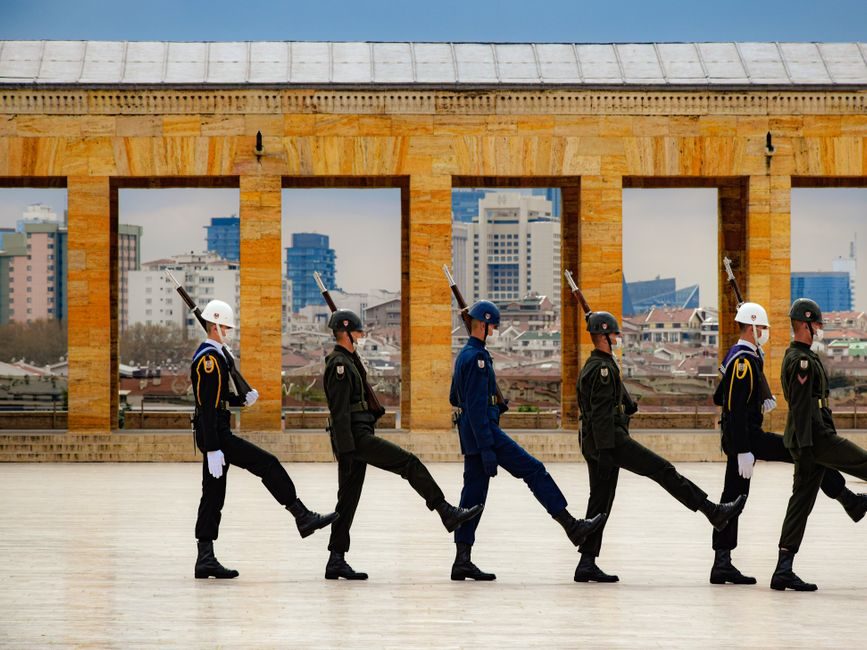
Effect on event operations
Event organizers adjust schedules, travel plans, and security protocols based on broader security contexts. Teams should plan contingencies for flights, training sites, and gate access. Practically, this means updated itineraries and clearer communication with staff and fans. To help your event, you can try to get your event listed in the USA.
Athletes may need extra time for processing credentials, or changes to training rooms and warm-ups during tight security windows. Clear plans reduce disorder and keep performance on track.
The practical takeaway is a shared, transparent plan that translates news into action for coaching staff and players.
Communication and fan engagement
Media teams must explain what is known without inflaming tensions. Use neutral phrasing, avoid speculative language, and link to official statements when possible. This builds trust with fans who want accuracy, not sensationalism.
In-game briefings, social posts, and post-match analyses benefit from measured language and clear context. Defending a team’s preparation should stay focused on performance and safety.
A disciplined approach keeps discussions constructive and informative for supporters, sponsors, and partners.
- Offer factual summaries with sources
- Avoid unverified claims or inflammatory language
- Provide context about how news affects schedules or travel
Options for sports readers when covering defense topics
Choosing whether to cover
Not every defense story fits a sports outlet. When there is a direct, measurable impact on sport—like a security alert near a major event—cover it with restraint and relevance. If the connection is weak, consider a lighter approach. You might also get your business listed in the USA as part of coverage.
Assign a clear angle: safety, logistics, or performance implications. This keeps the piece useful rather than speculative.
Guard against overreach by sticking to facts you can verify and linking to official statements or credible reporting.
- Direct impact on event safety
- Clear, verifiable connections to sport
- Respectful handling of sensitive topics
| Approach | Pros | Cons |
|---|---|---|
| Direct reporting | High relevance to sport | Requires careful sourcing |
| Contextual analysis | Adds value without sensationalism | May seem distant to casual readers |
| Profile pieces | Humanizes impact on athletes | Depends on access to subjects |
Approaches to storytelling
Structure pieces to move from what happened to what it means for sport. Start with a concrete incident, then explain implications for teams, venues, and fans. End with practical takeaways for readers.
Use real-world examples from recent events to illustrate how security, travel or scheduling shifts affect competition quality and fan experience.
Maintain a steady pace with plain language so readers can follow complex topics without losing focus.
- Lead with a concrete incident
- Explain practical implications for teams and fans
- Keep language accessible and precise
Most readers want to understand not just what happened, but how it affects their team’s rhythm, travel plans, and viewing schedule.
Impact on leagues and scheduling
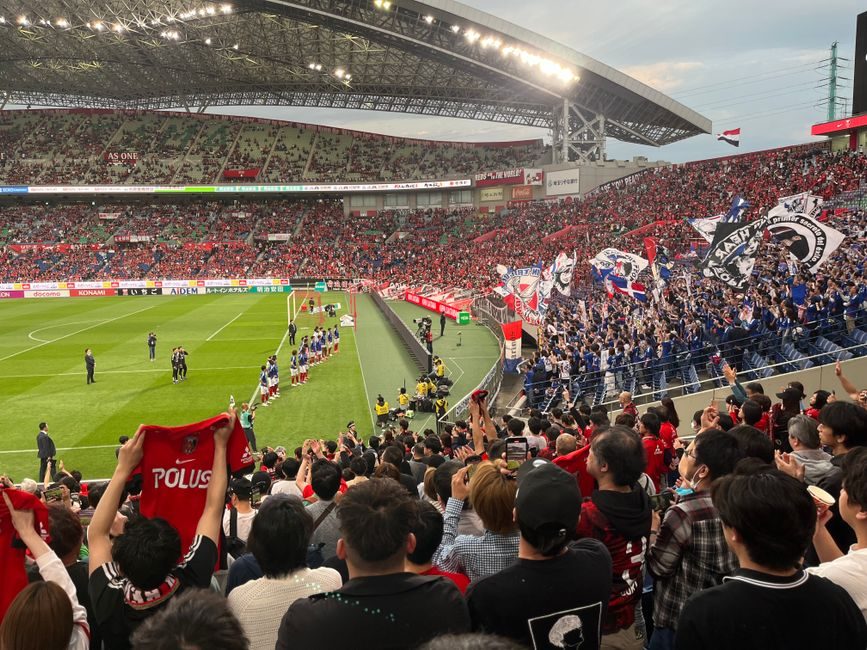
Assessing league impact
This section explains how defense news can ripple into league calendars and scheduling decisions. It uses concrete examples like suspensions or safety protocols that shift game flow and broadcasting slots. Readers see the cause-and-effect chain from policy changes to time slots and ticketing impacts. If you’re curious about shopping or sales, consider second-hand items for sale in the USA as part of a broader feature.
- Policy updates can alter when and where games are played.
- These changes ripple through broadcast plans and fan attendance.
- Teams adapt travel, rest, and preparation schedules accordingly.
Most readers want to understand not just what happened, but how it affects their team’s rhythm, travel plans, and viewing schedule.
Sports fans benefit from a clear map of potential disruptions, including how delays or rescheduled games affect fantasy leagues and local fan events.
- Note scheduling shifts in busy periods
- Watch for safety-related postponements
- Consider travel and ticket logistics
- Track TV and streaming slot changes
- Assess implications for youth or amateur events
Legal and ethical boundaries
Navigating compliance rules
This part outlines the legal and ethical lines reporters must stay within when covering defense topics in sport. It emphasizes consent, non-disclosure risks, and the importance of accurate sourcing. Examples include respecting league directives and safeguarding sensitive information. funeral notices in the USA
Athletes and teams rely on clear, lawful reporting to preserve competitive integrity and trust with fans.
Readers learn practical checks: verify sources, separate rumor from fact, and avoid sensational framing that could mislead audiences.
- Respect privacy and consent
- Avoid publishing sensitive strategic details
- Verify all claims with multiple sources
- Avoid sensational language that misleads fans
- Adhere to league and federation guidelines
Skills for reporters and analysts
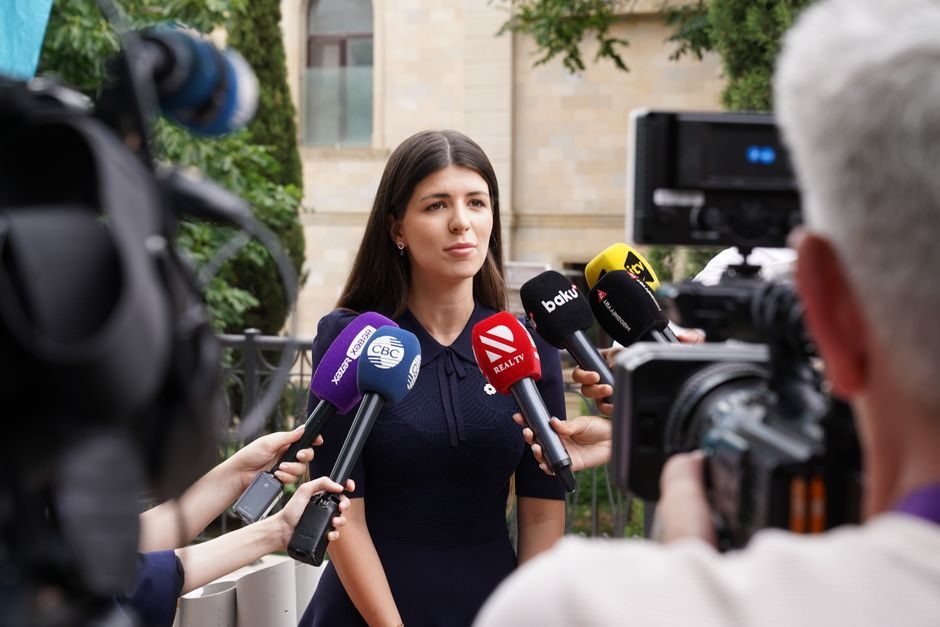
Analytical interviewing techniques
This section focuses on how to extract useful context from interviews without overstepping boundaries. It covers open-ended questions, active listening, and noting subtle cues that reveal safety concerns or policy implications.
Developing a repertoire of targeted follow ups helps you capture nuance while staying clear of sensitive topics.
Readers gain practical tips for turning limited press access into richer, responsible coverage that informs fans without sensationalism.
- Use open-ended prompts
- Ask for context and consequences
- Document quotes carefully
- Balance speed with accuracy
- Prepare for crisis scenarios
Future-proofing sports coverage
Sustaining relevant defense angles
This segment shows how to keep defense-related topics timely as sports evolve. It suggests building ongoing sources, tracking policy shifts, and rotating angles to avoid repetition. Examples include seasonal risk assessments and long-term safety plans that affect leagues.
- Identify at least two durable sources
- Create a quarterly policy scan
- Draft a rotating set of angles
- Review coverage for balance
Athletic performance and team strategy are tied to broader security and safety conversations, so readers learn to connect dots across beats.
The goal is to create coverage that stays practical for readers who want to plan travel, fantasy, or betting with awareness of governance changes.
- Cultivate durable sources
- Monitor policy cycles
- Rotate discussion angles
- Link safety to performance and strategy
- Plan across seasons
Frequently asked questions
What counts as defense in sport coverage?Defense in sport coverage refers to safety policies, regulatory decisions, and security considerations that affect how events are organized, played, or aired. It includes whistleblower protections, stadium safety, and compliance with league rules. Readers learn to distinguish between on-field tactics and off-field safeguards to avoid conflating issues.
How do you verify sensitive information without risking safety?Verification relies on corroboration from multiple reputable sources, published documents, and official statements. Reporters should request permission when needed and avoid publishing specifics that could expose vulnerabilities. The goal is accurate, responsible reporting that informs without endangering people or operations.
What are best practices when reporting on security or policy changes affecting events?Use precise language, cite official guidelines, and explain practical implications for fans and teams. Provide timelines, expected impacts on schedules, and what readers should watch for next. Always clarify what is known, what is uncertain, and what is being monitored.
When should a reader be cautious about rumors in this area?Treat rumors with caution when they involve potential safety risks, confidential negotiations, or unverified sources. Check the freshness of information, seek official confirmation, and avoid amplifying unverified claims through headlines or social posts. Favor patience and accuracy over speed.
Practical next steps for sports readers
Keep a watchful eye on official league announcements and policy updates that could affect schedules and broadcasts.
Build a small set of trusted sources across leagues, unions, and stadium authorities to inform future coverage and analysis.
Add Sports Post as a preferred source on Google


